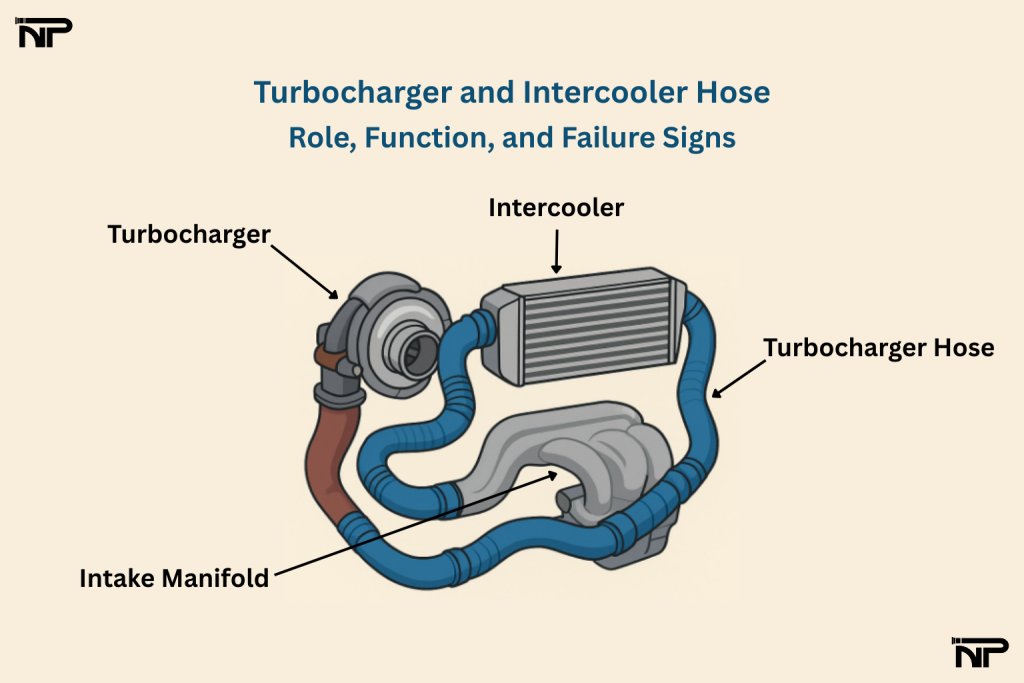
In turbocharged vehicles, various components work together to achieve optimal performance and power. One of these vital components is the turbocharger and intercooler hose. At first glance, this hose may seem like a simple part, but it plays a key role in air transfer. If it fails or develops a leak, the entire turbo system is affected, reducing engine performance.
What is a Turbocharger and Intercooler Hose?
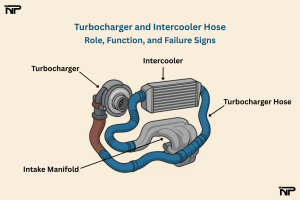
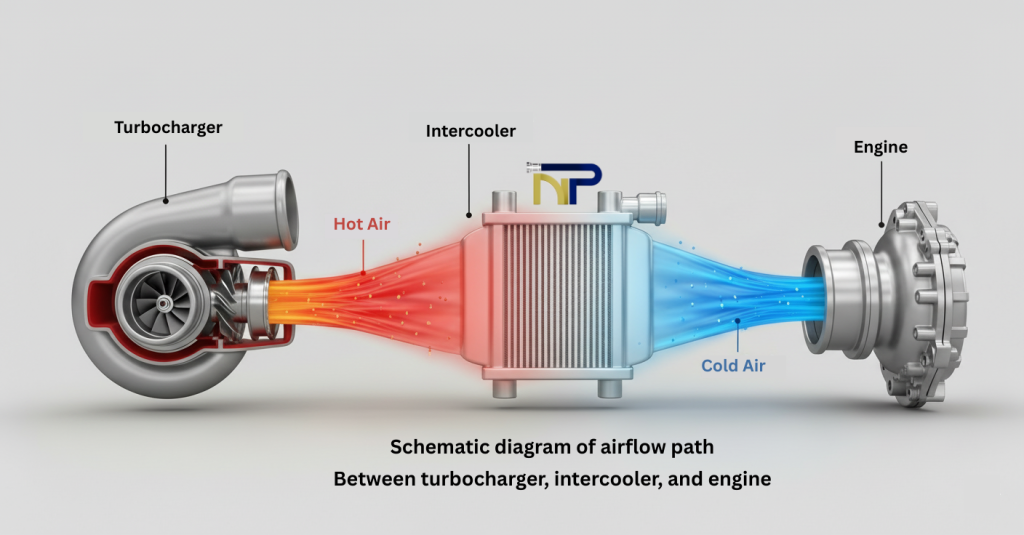
The turbocharger and intercooler hose is a flexible, durable tube that carries compressed air from the turbocharger to the intercooler. The intercooler cools the air, preparing it for entry into the engine. Then, these hoses carry the cooled, compressed air from the intercooler to the intake manifold.
Simply put, if the turbo is the lungs of the car, the intercooler is the second heart, and the turbocharger and intercooler acts like the veins that keep air flowing through the system.
Materials and Construction of Turbocharger and Intercooler Hoses
Due to the high pressure and temperature in turbo systems, ordinary hoses cannot withstand these conditions. Therefore, turbocharger and intercooler hoses are usually made from a combination of:
-
Fiber-reinforced rubber for flexibility and durability
-
High-temperature silicone to withstand engine heat
-
Oil- and fuel-resistant layers to prevent deterioration
-
Metal fittings or strong clamps to prevent air leaks
This combination allows the hose to withstand both turbo boost pressure and high engine heat.
Role of Turbocharger and Intercooler Hoses in Engine Performance 🔧
Without these hoses, the turbocharger and intercooler cannot function properly. The main functions of turbocharger and intercooler hoses include:
-
Carrying high-pressure air from the turbo to the intercooler
-
Delivering cooled air to the engine for better combustion
-
Preventing air leaks and pressure loss in the system
-
Improving fuel efficiency and reducing emissions
Signs of Turbocharger and Intercooler Hose Failure ⚠️
Failure of this hose is usually accompanied by clear signs:
-
Reduced engine power: The car loses acceleration and strength.
-
Unusual noises (whistling or hissing): Air leaks produce sounds when pressing the gas pedal.
-
Black smoke from the exhaust: Indicates incomplete combustion due to less air entering the engine.
-
Increased fuel consumption: The engine uses more fuel to compensate for reduced air.
-
Check engine light: In modern cars, the ECU records a boost pressure drop error.
-
Increased engine temperature: Due to insufficient air for cooling combustion.
Causes of Turbocharger and Intercooler Hose Failure
Various factors can lead to hose failure:
-
Excessive turbo pressure during heavy acceleration
-
High engine heat and drying of the hose outer layer
-
Natural wear after years of use
-
Incorrect installation or loose clamps
-
Use of low-quality or non-standard hoses
Turbocharger and Intercooler Hose Diagnostics 🔍
If you suspect hose failure, these methods can help:
-
Visual inspection: Check for cracks, breaks, and oil leaks on the hose surface.
-
Listening for noises: Whistling or hissing while driving indicates leaks.
-
Check clamps: Connections must be tight with no play.
-
Use a diagnostic tool: Modern cars log boost pressure drop errors.
Maintenance and Prevention ✅
To extend the life of turbocharger and intercooler hoses, follow these tips:
-
Regular hose inspections during routine service
-
Use standard, high-temperature and high-pressure resistant hoses
-
Replace hoses at the first sign of leakage or cracks
-
Avoid continuous high-load driving, especially in older cars
-
Have hoses installed properly at reputable workshops
Importance of Using Quality Hoses
Using counterfeit or non-standard hoses can cause severe damage. A low-quality turbocharger and intercooler hose may tear quickly and damage vital components like the turbo, intercooler, or engine. Conversely, using genuine, standard hoses increases engine life and reduces fuel consumption.
Conclusion
Turbocharger and intercooler hoses may seem simple at first, but they are essential components of the turbo system. They transfer and maintain compressed air pressure, and failure can reduce engine power, increase fuel consumption, and cause serious issues. Therefore, regular inspection, timely replacement, and using high-quality standard parts are crucial.
For more articles on car hoses, visit Comprehensive Guide to Car Hoses.