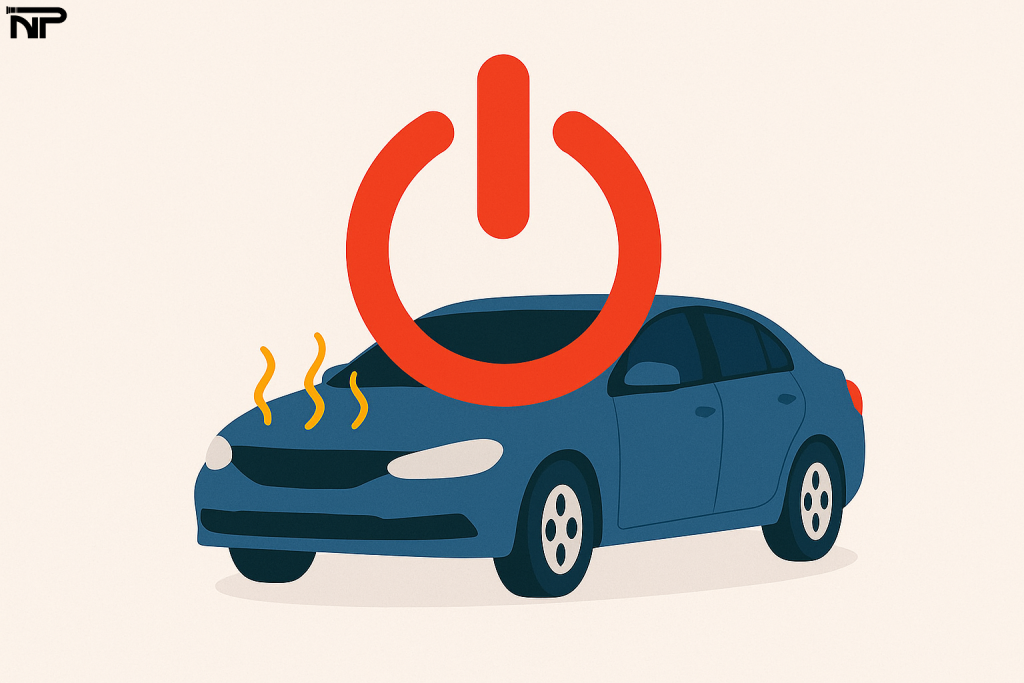
Sudden car shutdown is one of the most frustrating—and sometimes dangerous—vehicle issues. It can leave the driver stranded in risky places like a highway or intersection. This often happens without warning and, if the cause is not properly identified, it may repeat frequently.
In this article, we’ll explain in simple yet expert language:
-
Common causes of sudden car shutdown
-
Quick diagnostic methods
-
Professional prevention strategies
-
Frequently asked questions about engine shutdowns
❗ What Does a Sudden Car Shutdown Mean?
A sudden shutdown occurs when a vehicle turns off without warning—either while driving or at a stop (e.g., at a red light). Typically, three systems are involved:
-
Fuel delivery system
-
Electrical system & ECU
-
Ignition and combustion system
🔍 Main Causes of Sudden Car Shutdown
1. Fuel Pump Failure
The fuel pump delivers gasoline from the tank to the engine. If it fails, fuel supply stops and the engine shuts off.
Symptoms: Poor acceleration, engine misfiring, no pump sound when the ignition is turned on.
2. Faulty Crankshaft Sensor
This sensor sends crankshaft rotation data to the ECU. A malfunction causes incorrect signals, disrupting ignition or fuel delivery.
Symptoms: Sudden shutdowns, especially when the engine is warm, and failure to restart until cooled down.
3. Worn Ignition Coils or Spark Plugs
If coils are weak or spark plugs are worn, combustion becomes inefficient, eventually stalling the engine.
Symptoms: Engine vibration, hard starts, sudden loss of power.
4. Electrical or Battery Connection Issues
Loose wiring, corroded terminals, or weak connections can cut off power to the ECU, shutting down the engine.
Symptoms: Power loss, unresponsive lights, complete shutdown.
5. ECU Failure or Software Glitches
If the Engine Control Module malfunctions, it may fail to manage ignition or fuel commands.
Symptoms: Diagnostic error codes, erratic engine behavior, failure to restart.
🧪 How to Diagnose the Shutdown Issue
| Diagnostic Test | Likely Result |
|---|---|
| Listen for fuel pump after ignition | Pump is working or there’s a wiring issue |
| Scan ECU using a diagnostic tool | Sensor, coil, or ECU error |
| Check coils and spark plugs | Weak ignition |
| Inspect battery connections | Corrosion or loose terminals |
🛡️ How to Prevent Sudden Shutdowns
🔧 Following a regular maintenance schedule can significantly reduce the risk of unexpected shutdowns.
| Maintenance Task | Recommended Interval |
|---|---|
| Replace fuel filter | Every 20,000–30,000 km |
| Check coils and spark plugs | Every service interval |
| Scan ECU and sensors | Annually or when errors appear |
| Check battery and connections | Every 6 months |
🆘 What to Do When Your Car Shuts Down
-
Stay calm and steer safely
-
Turn on hazard lights and stop in a safe place
-
Check fuel and battery status
-
Call roadside assistance or a mechanic
🙋 FAQ
Is running out of fuel the main reason for shutdown?
No. While it’s a common cause, a faulty pump, spark plug, or sensors could also be to blame.
Why does my car shut off while driving but restart?
It may be due to a crankshaft sensor issue or faulty ignition coils.
Can a faulty ECU cause the engine to shut down?
Yes. Since the ECU controls core functions, any malfunction can shut down the entire system.
🎯 Conclusion
🚨 A sudden engine shutdown is more than a warning—it’s a red flag!
The root cause may lie elsewhere: faulty coils, misfiring, or the smell of gasoline in the cabin. To explore all common car problems in one place, check out our full guide on diagnosing and fixing vehicle issues.