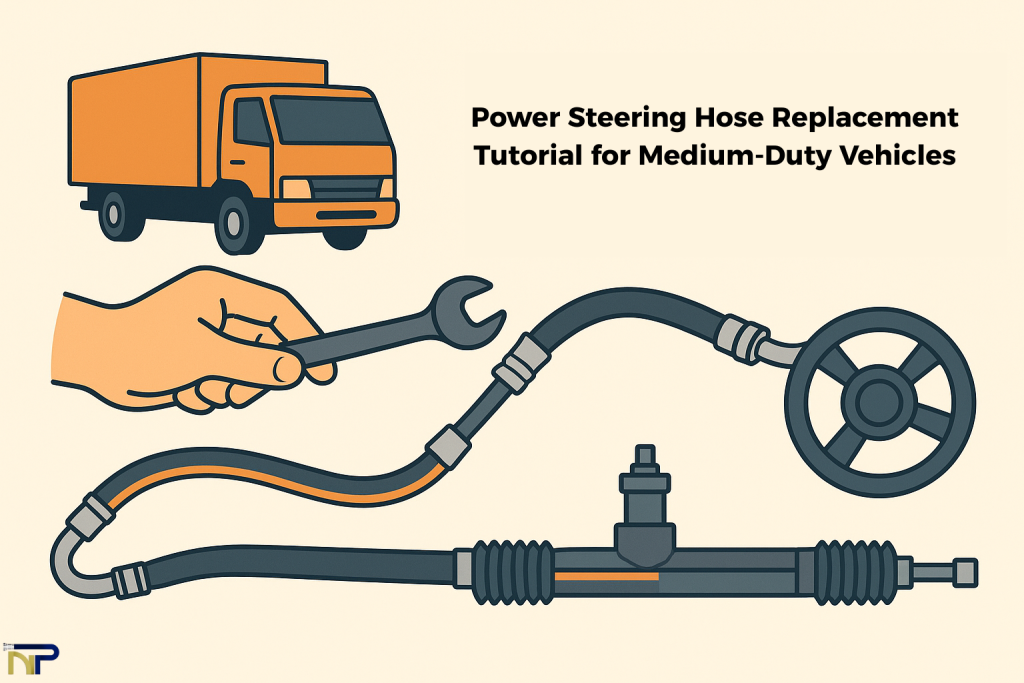
How to Replace the Power Steering Hose in Medium-Duty Vehicles
In medium-duty vehicles like trucks and buses, one of the most critical components of the steering system is the power steering hose. This part transfers pressurized fluid to the steering gear and directly affects the smoothness and control of the vehicle. Over time, this hose may crack, leak, or tear and require replacement.
In this practical guide, you’ll learn the complete steps for replacing the hose, signs of failure, required tools, and safety tips. We’ve also included a link to a real video tutorial for better understanding.
Signs of a Faulty Power Steering Hose
Visible Leaks
If you see red or brown fluid stains under your vehicle, there’s a high chance the hose is leaking.
Stiff Steering
One common symptom of hose failure is difficulty turning the steering wheel—especially at low speeds or while parking.
Whining Sound from the Pump
A cracked or leaking hose may allow air into the system, causing unusual whining or squealing noises.
Tools Required for Replacement
Before you start, make sure you have the following tools:
-
Socket wrench or ring spanner
-
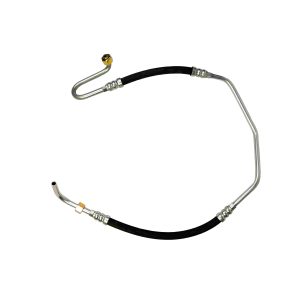
High-pressure power steering hose
-
New hydraulic fluid
-
Drain pan, funnel, industrial wipes
-
Safety gloves and goggles
To ensure proper function and durability, we recommend purchasing spare hoses from reliable sources. You can view and order quality automotive hoses from Nikoo Payam Sanat Giti Store.
Step-by-Step Power Steering Hose Replacement
1. Prepare the Vehicle
Turn off the vehicle, park on a level surface, and disconnect the battery for safety.
2. Drain the Fluid
Completely drain the remaining fluid in the system using a drain pan to avoid contamination.
3. Remove the Damaged Hose
Use the appropriate wrench to loosen both ends of the hose. Be gentle to avoid damaging the connectors.
4. Install the New Hose
Route the new hose along the same path and tighten the connections securely. Ensure it’s not under stress or tension.
5. Refill Fluid and Bleed the System
Pour in the appropriate hydraulic fluid and turn the steering wheel fully left and right a few times to remove air.
If you’d like to see these steps in action, we recommend watching this video tutorial from 1A Auto that demonstrates the process clearly.
Important Safety and Technical Tips
-
Only use hoses rated for high-pressure systems. Non-standard hoses are dangerous.
-
Improper installation can cause new leaks or system damage.
-
After replacement, check for leaks and test steering performance.
-
If you’re not confident in your skills, seek help from a professional mechanic.
Conclusion
Timely and proper replacement of the power steering hose in medium-duty vehicles not only ensures driver safety but also prevents wear and tear on the steering system. If you notice stiff steering, pump noise, or oil leaks while driving, it’s probably time to replace the hose.
To purchase quality hoses, get technical advice, or request more information, visit Nikoo Payam Sanat Giti’s website or contact our team.