
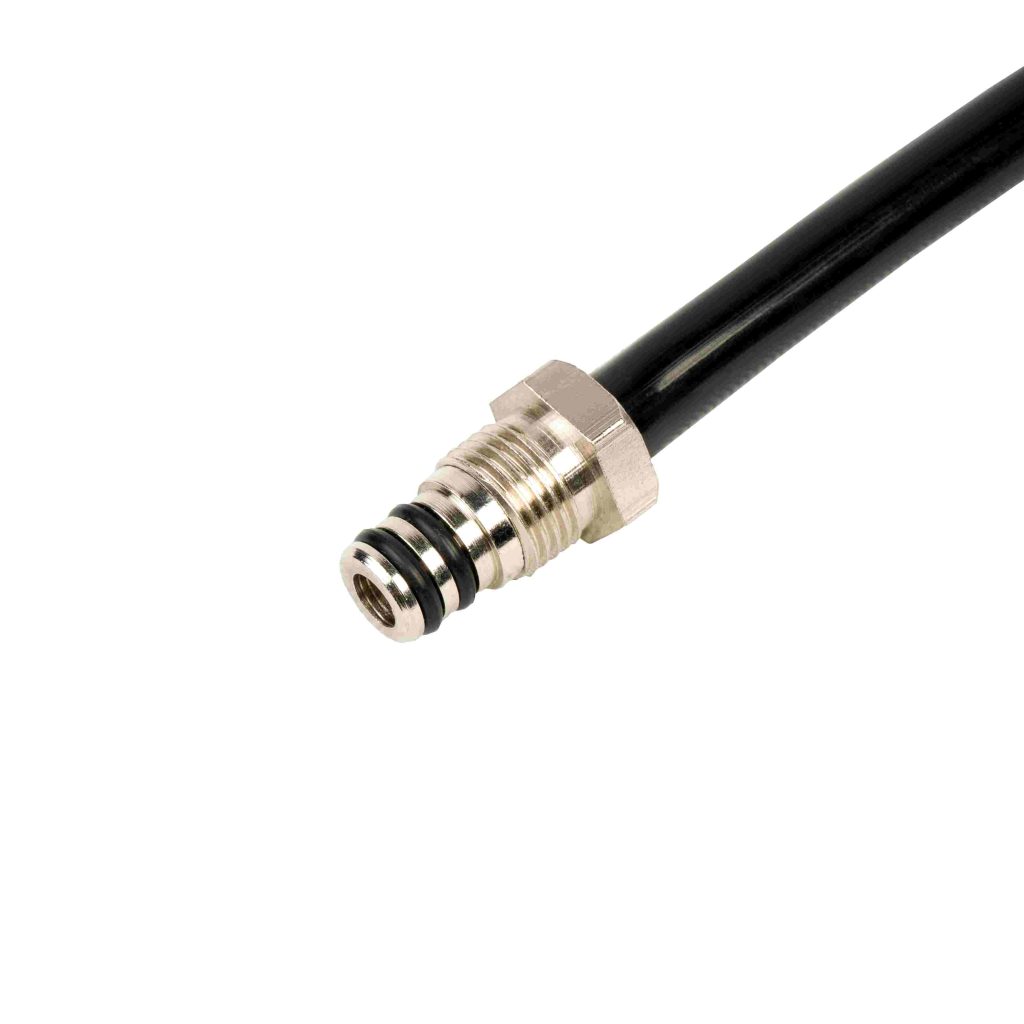
Description
🔧 Product Description
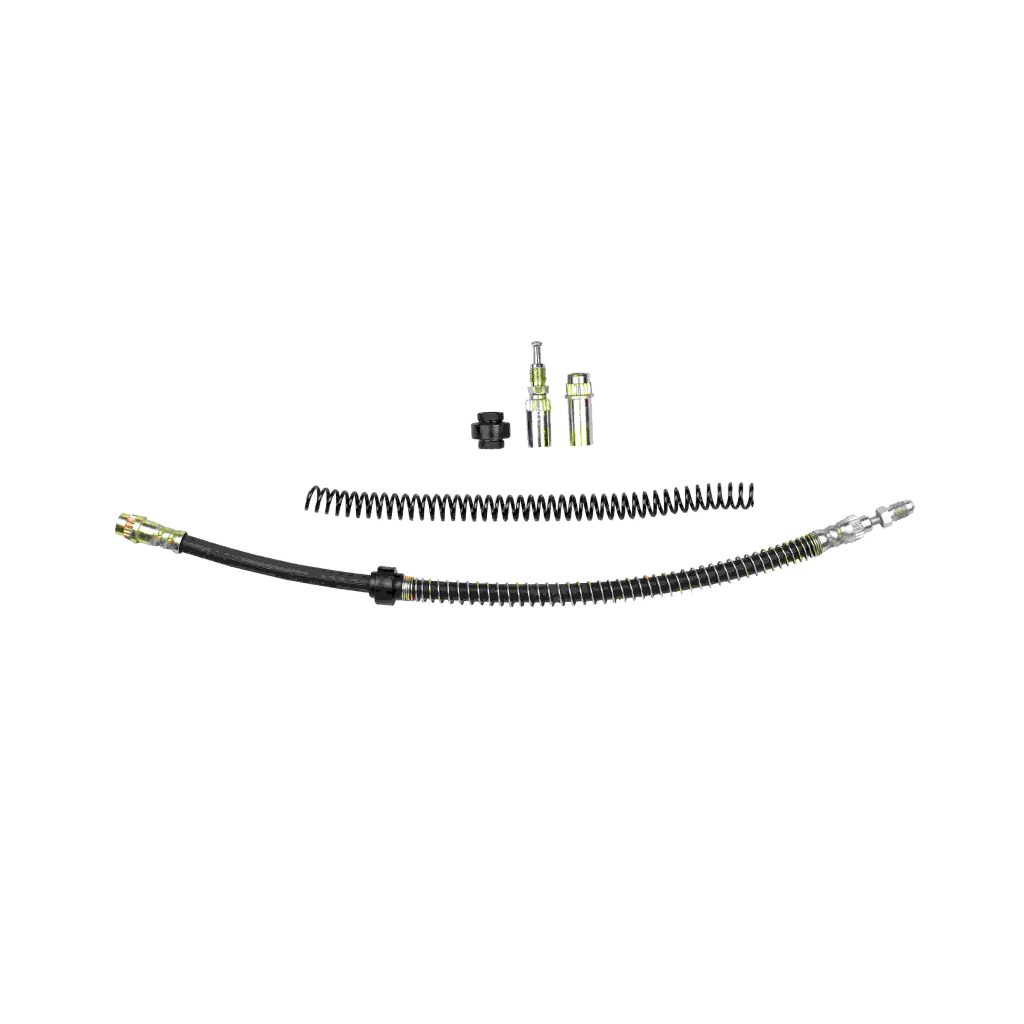
Looking for a reliable seal that keeps your engine fluids where they belong? The hose end O-ring is a compact but critical component that ensures airtight sealing at the connection points of hoses. Whether you’re dealing with fuel lines, coolant systems, or hydraulic setups, this oil- and fuel-resistant O-ring (made of NBR or Viton) keeps pressure intact and leaks out of the picture. It’s the unsung hero behind every high-performing truck or industrial engine.
🌟 Key Features
-
✅ High chemical resistance to fuel, oil, steam, and coolant
-
✅ Thermally stable under fluctuating engine temperatures
-
✅ Made of premium NBR or Viton elastomers
-
✅ Prevents swelling, cracking, and hardening
-
✅ Ideal for fuel hoses, oil lines, hydraulic/pneumatic systems
🛑 Common Causes of Failure
Over time, even a high-quality hose end O-ring can wear out due to:
-
🔥 High heat exposure from the engine bay
-
🛢️ Chemical breakdown from aggressive oils or fuels
-
🧊 Rapid temperature changes causing hardening or shrinkage
-
🔧 Incorrect installation or compression damage
-
🕒 Aging — rubber materials naturally degrade over years
Neglecting these signs can cause serious fluid leaks or pressure loss.
⏱️ Why Timely Replacement Matters
A cracked or deformed hose end O-ring may look harmless — until it starts leaking vital fluids. Replacing it at the first sign of wear prevents costly damage to fuel injectors, oil pumps, and coolant systems. It’s a small investment that saves your engine from major headaches down the road.
🛠️ Don’t wait for a leak to show — act proactively.
🚛 Boost Truck Performance with a Hose End O-ring
Heavy-duty trucks rely on stable fluid pressure to deliver torque, reduce emissions, and maintain engine health. A degraded O-ring can disrupt this balance, reducing performance and fuel efficiency.
By installing a new hose end O-ring, you:
-
📈 Stabilize fuel delivery
-
💧 Prevent oil and coolant leaks
-
🛡️ Protect your engine components
-
💪 Extend overall system lifespan
It’s a small part with a huge impact on uptime and performance.
❓ Frequently Asked Questions (FAQ)
1. How often should I replace a hose end O-ring?
Typically, every 2–4 years depending on usage and exposure. Inspect during every major service.
2. What material is better: NBR or Viton?
NBR is cost-effective and fuel-resistant; Viton handles higher temperatures and aggressive fluids better.
3. Can I reuse an old O-ring after disassembly?
Not recommended. Once compressed, reusing may compromise the seal and cause leaks.
4. Are all hose end O-rings the same size?
No — always match the size and material to your hose and system requirements.
5. Where can I buy a quality hoses?
Check our curated selection of reliable parts here:
👉 Nikoo Payam Product Catalog
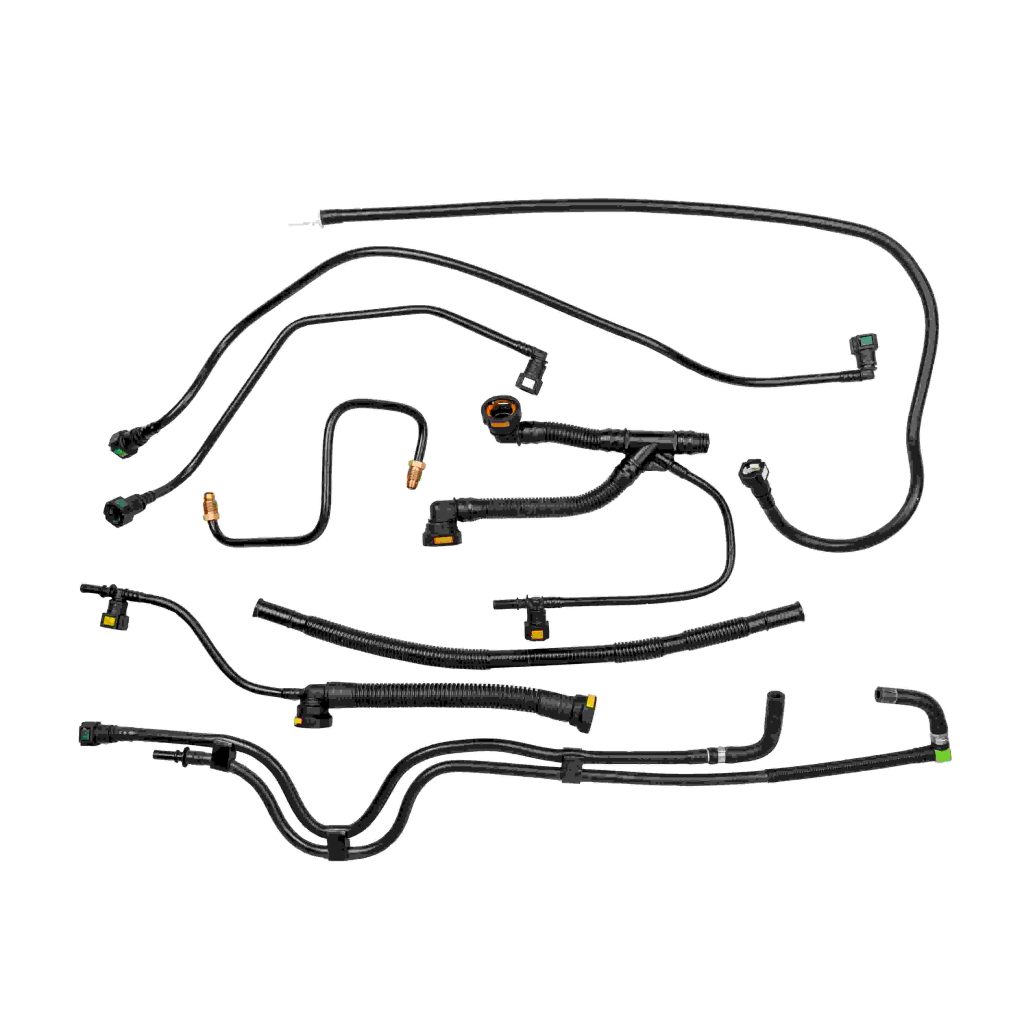
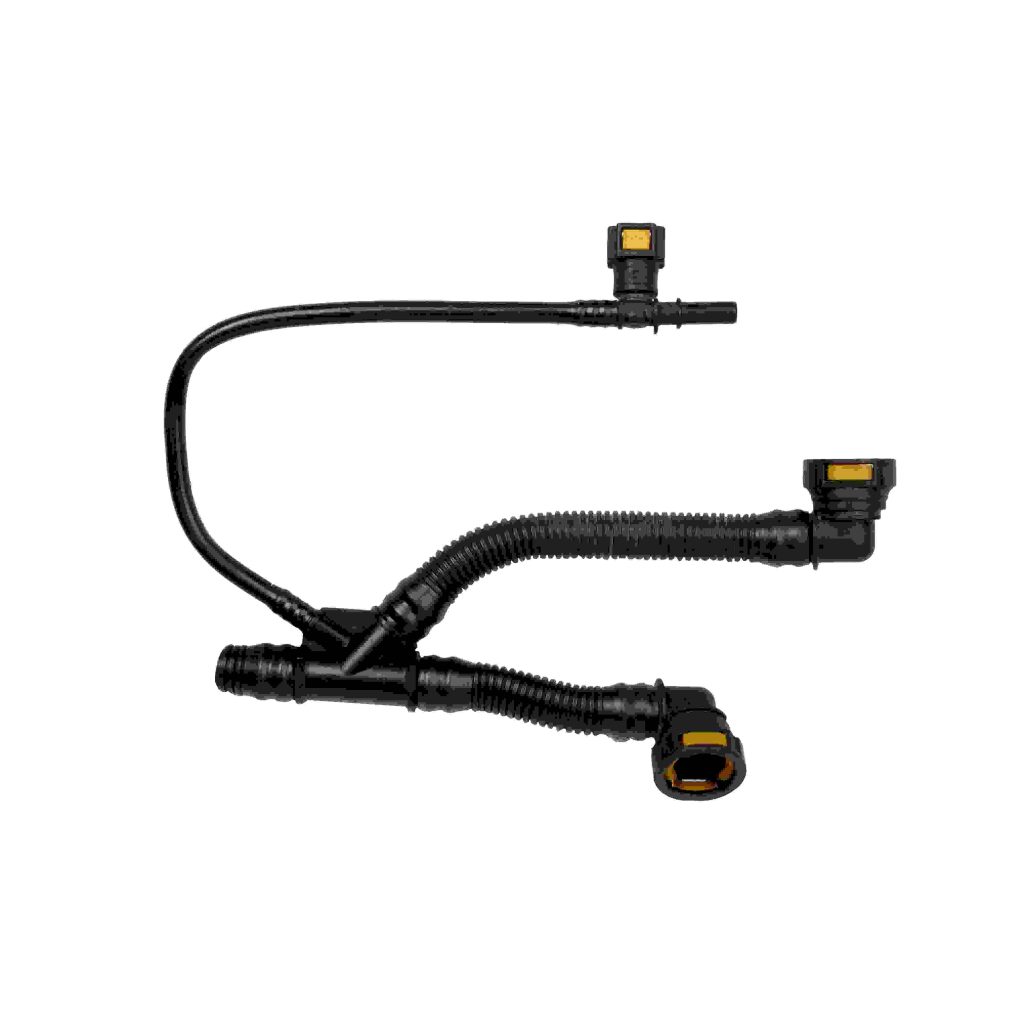
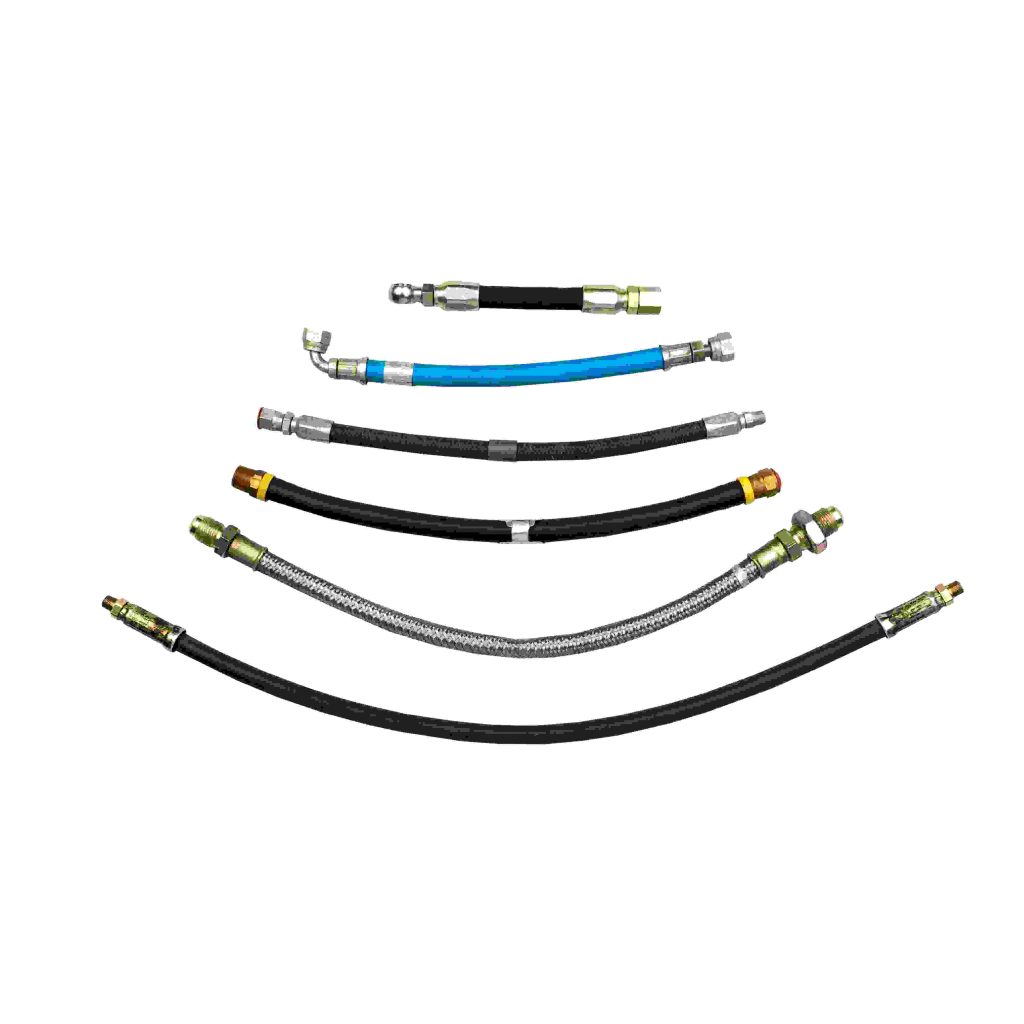

Reviews
There are no reviews yet.