10 Common Mistake in Car Hose Replacement That Can Lead to Major Expenses
Car hoses are critical components responsible for transporting vital fluids such as coolant, engine oil, and fuel throughout the vehicle. These hoses ensure the smooth operation of various systems, including the cooling system, fuel delivery system, and lubrication circuit. When functioning properly, they help maintain engine temperature, prevent overheating, and support overall vehicle performance. However, a single mistake in car hose replacement can disrupt this entire balance-leading to leaks, engine malfunctions, and even total breakdowns.
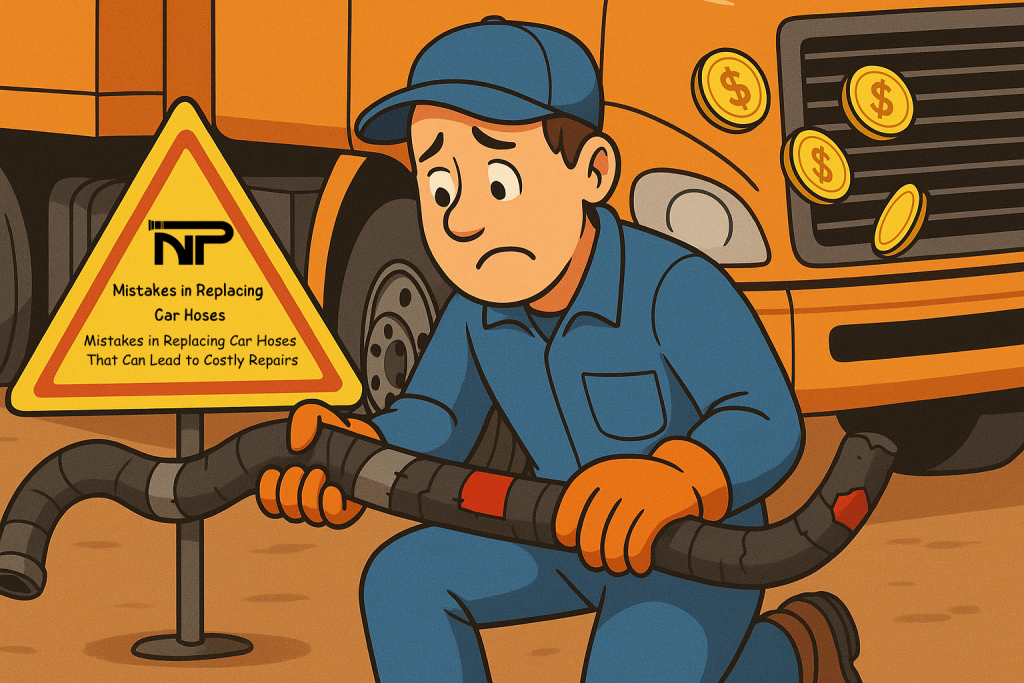
Surprisingly, mistakes in car hose replacement are more common than expected. Whether due to a lack of experience, poor-quality materials, or neglect of proper procedures, these errors can be extremely costly. Both car owners and inexperienced technicians are often unaware of the serious risks involved.
In this article, we’ll walk you through 10 of the most common mistakes in car hose replacement and explain how to avoid them-saving you time, money, and potential mechanical headaches.
1. Using Non-Standard or Low-Quality Hoses
Perhaps the most dangerous mistake in car hose replacement is using hoses that are not certified or manufactured to industry standards. These cheap alternatives often fail under heat, pressure, or chemical exposure, increasing the risk of failure in critical driving conditions.
2. Installing the Wrong Hose Size
Another frequent car hose replacement mistake is choosing the incorrect size. A hose that’s too tight may split under pressure, while a loose one might leak or disconnect entirely. Precision matters-always match the hose size to the exact vehicle specification.
3. Cutting Hoses with Inappropriate Tools
Improperly cut hoses can have jagged or uneven edges that prevent proper sealing. This minor oversight becomes a major source of leakage and is a technical mistake in hose replacement that professionals should always avoid.
4. Reusing Old or Damaged Hose Clamps
Replacing a hose but leaving old clamps in place is a critical oversight. Over time, clamps lose tension or become corroded. Using worn-out or incompatible clamps is a common and dangerous mistake in car hose replacement.
5. Skipping Cleaning of Connection Surfaces
Failing to clean the connection point before installing the new hose introduces dirt, rust, or oil residues into the system. This can prevent proper sealing and lead to early hose failure. Cleanliness is key to a successful hose replacement.
6. Incorrect Routing of the Hose
A poorly routed hose—one that bends too sharply or touches hot engine parts—is destined to fail prematurely. This installation mistake in hose replacement can create excessive stress and lead to melting, wear, or rupture.
7. Using Adhesives or Tape Instead of Proper Clamps
A highly unsafe and unfortunately common mistake in car hose replacement is attempting to secure hoses with adhesive sealants or cloth tape instead of proper clamps. This unprofessional shortcut can result in serious safety hazards, including fuel leaks and potential fires.
8. Not Flushing or Draining Fluids Properly
If the old fluid isn’t fully drained before hose replacement, the system may develop airlocks or contamination. This simple step is often skipped, but it’s essential for ensuring reliable fluid flow and preventing damage to sensitive components.
9. Ignoring Scheduled Hose Replacements
Every hose has a lifespan—even the best ones. Ignoring maintenance schedules and waiting for visible failure is a classic mistake in car hose replacement that leads to preventable breakdowns and expensive repairs.
10. Letting Unqualified Individuals Perform the Replacement
Lastly, trusting untrained hands with such a vital task is a risk not worth taking. Whether it’s a DIY enthusiast without proper knowledge or an underqualified technician, improper installation techniques remain a leading cause of hose failure.
Final Thoughts
As we’ve seen, a simple mistake in car hose replacement can spiral into much larger problems—from fluid leaks and reduced engine efficiency to full-blown mechanical failures. Fortunately, most of these mistakes are preventable. By following proper procedures, using certified high-quality components (such as those offered by Nikoo Payam Sanat Giti Co.), and relying on experienced professionals, you can avoid these costly errors.
Being informed and proactive can significantly extend your vehicle’s service life and help you steer clear of avoidable repair bills. Don’t let a small hose lead to a big headache-do it right the first time.