Comprehensive Guide to Cargo Securing and Truck Loading
In road transportation, truck loading is one of the most crucial stages, directly affecting vehicle safety, balance, and preventing potential damages. This article will review the fundamental principles, various methods, and safety standards for truck loading to ensure both productivity and safety in cargo handling.
Introduction
Truck loading refers to the proper transfer of cargo from the source to the vehicle and its appropriate distribution based on weight and size. Additionally, securing and stabilizing the cargo after loading is essential to prevent unwanted shifts or damage during transit. This process not only requires adherence to safety principles but can be made more efficient by utilizing modern tools.
To perform this process correctly, it is vital to follow technical guidelines, transportation standards, use appropriate equipment, and train staff. Failure to observe these can lead to road accidents, serious cargo damage, and increased repair costs. Below, we will discuss different methods of truck loading and the importance of properly securing the cargo.

Safe and Effective Truck Loading
Truck Loading Methods
Choosing the appropriate method for truck loading depends on the type, weight, and dimensions of the cargo. Here are some of the most commonly used methods:
-
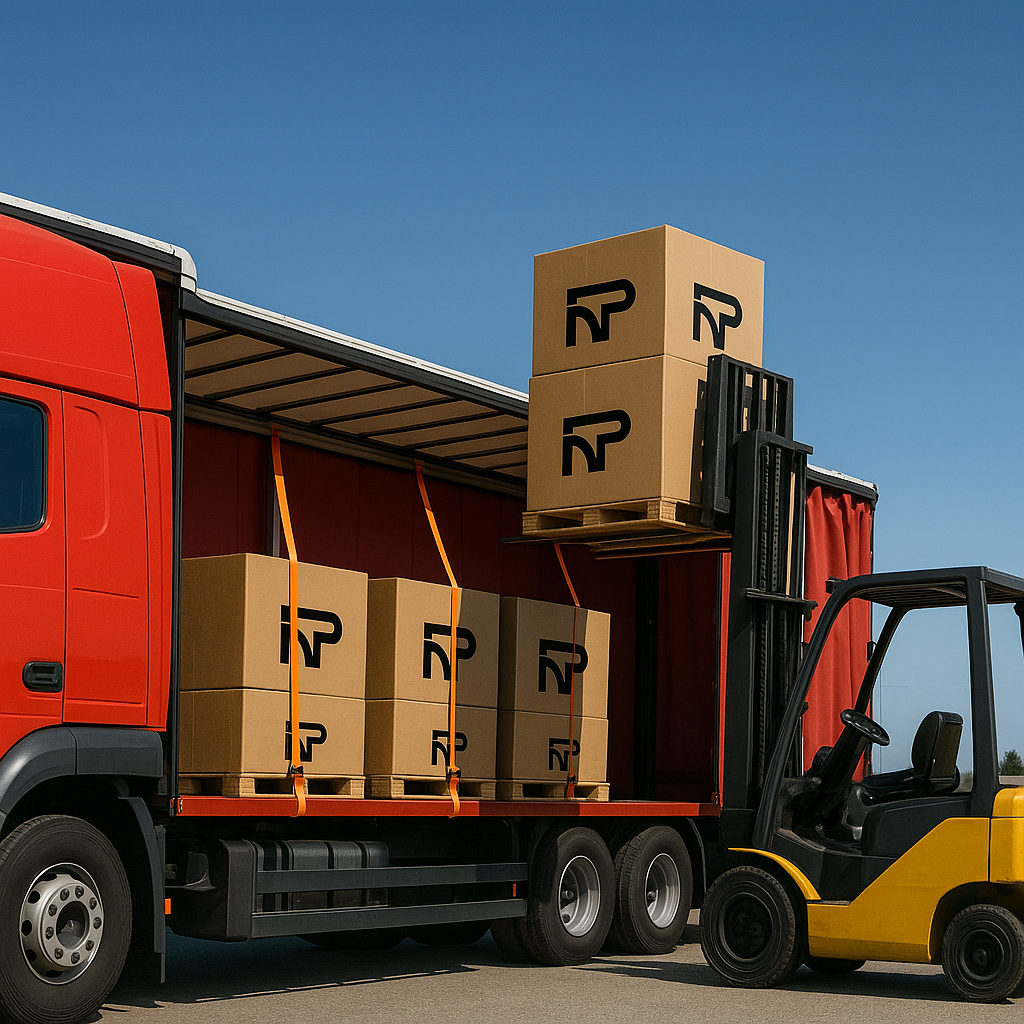
Manual Loading: Suitable for light and small loads, manual loading is done with human labor and auxiliary equipment like forklifts or pallet jacks. This method requires high precision to avoid damage to goods and injuries to workers.
-
Crane Use: For heavy and bulky items such as construction materials or large machinery, cranes are the optimal solution. Cranes come in various models such as overhead, mobile, and arm-type. This method requires staff training to ensure safe operations.
-
Ramp Loading: This method is efficient for transporting vehicles like cars and motorcycles. The use of fixed or movable ramps reduces the risk of falling and damage to vehicles. It is also suitable for medium to heavy loads.
-
Containerized Loading: In international transportation, containers are used to enhance loading speed and safety. This method reduces damage caused by cargo movement during transit and is ideal for sensitive cargo.
Each of these methods must be carried out in such a way that the weight distribution of the cargo is balanced to avoid accidents. Improper truck loading can increase fuel consumption, reduce the vehicle’s lifespan, and even cause a rollover in sharp turns.
Importance of Securing the Cargo and Preventing Shifts
After truck loading, securing the cargo is a critical step to prevent potential damage during transit. Effective methods include:
-
Using Strong Securing Straps: These prevent cargo slippage and are crucial for heavy loads.
-
Clamps and Fixing Nuts: Used to stabilize cargo during sharp movements.
-
Airbags: These reduce the impact of uneven roads.
-
Anti-slip Layers: Placing anti-slip layers between goods prevents horizontal movement.
-
Metal or Nylon Nets: These increase cargo safety on rough routes.
Adhering to these tools enhances truck loading safety, reduces damage, and avoids additional costs. Furthermore, complying with local and international regulations, such as FMCSA and ISO 3880 guidelines, helps prevent accidents. For more information on standards, refer to the FMCSA guidelines.
Safety Standards in Truck Loading
To ensure safe truck loading, the following standards must be observed:
-
Safety Equipment: The use of helmets, protective gloves, and sturdy shoes is mandatory.
-
Checking the Cargo’s Center of Gravity: Even weight distribution is crucial to prevent tipping.
-
Modern Technologies: Utilizing digital monitoring systems and smart sensors for enhanced accuracy.
-
Staff Training: Training staff in correct truck loading and securing techniques is essential.
-
Cargo Check Before Departure: Ensuring the integrity of the connections and the stability of the cargo before moving.
-
Excess Load Warning Systems: Using vehicles equipped with overload warning systems to prevent overloading.
Failure to comply with truck loading standards may result in heavy fines and vehicle confiscation. Adhering to these standards is essential for the safety of the driver and the cargo.
Conclusion
Truck loading is one of the most important stages in road transportation, requiring strict adherence to technical and safety principles. Choosing the right method, using advanced equipment, and properly securing the cargo can lead to increased safety, reduced costs, and improved productivity.
For more information on related equipment and products for truck loading, visit the transportation equipment page.
By following safety standards, training staff, and utilizing modern technologies, road accidents and financial losses can be avoided.