Introduction
Clogged car hoses are one of those problems that are often overlooked, yet they can cause serious damage to your vehicle. Hoses are the pathways for fluids and air in various systems of the car. From the cooling system to fuel and brakes, all rely on the integrity of these hoses. But when one gets clogged, it may not show any obvious warning signs. This article helps you understand how a clogged car hose reveals itself—without needing to be a mechanic.
Why Is a Clogged Hose a Big Deal?
You might think a clogged car hose is a minor issue, but this small problem can lead to overheating, reduced brake performance, or even total vehicle failure. Hoses are like the veins of your car, and any blockage in them can cause serious trouble. That’s why identifying a clogged car hose early is essential—especially if you drive a lot or frequently travel in hot and congested areas.
Signs of Hose Blockage Most Mechanics Won’t Mention
1. Rising Engine Temperature Without Check Engine Light
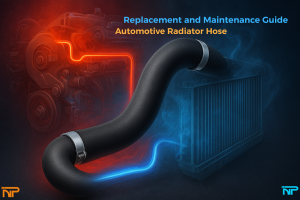
If your engine gets hot but no warning lights come on, a clogged radiator hose may be preventing coolant from flowing properly.
2. Strange Sounds When Accelerating or Braking
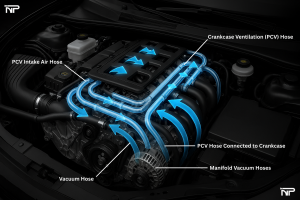
If vacuum or air hoses are clogged, you might hear a hissing or suction noise while driving.
3. Reduced Acceleration or Engine Power
A clogged fuel hose can limit the amount of gasoline reaching the engine, leading to sluggish acceleration and high fuel consumption.
4. Poor Brake Performance
If a brake hose is clogged, the brake pedal may feel soft or stiff, but the car won’t stop properly.
5. Fluid Leaks at Hose Connections
Excess pressure from a blockage may cause fluid to leak from hose joints.
6. Smoke or Strange Odor From Under the Hood
If a hose is clogged, heat or trapped vapors may produce a burning smell or visible smoke from the hood.
How to Identify Hose Blockage Yourself
-
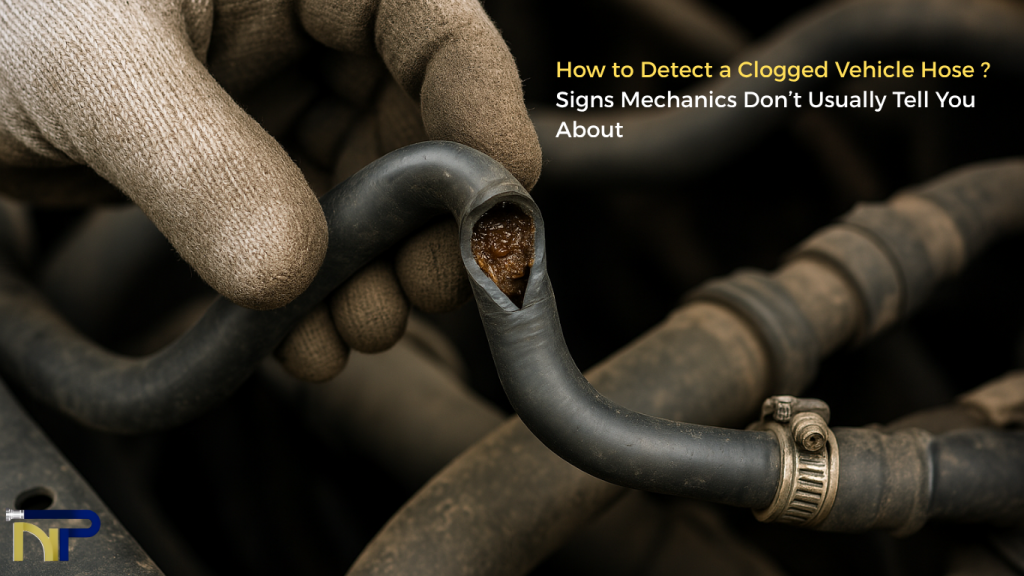
Visual inspection: If a hose looks dry, cracked, or swollen, it’s likely clogged.
-
Touch and pressure: A healthy hose should be flexible. If it’s too hard or too soft, there’s an issue.
-
Start the engine: Check for any leaks or abnormal hose behavior.
-
Use a pump or compressor: This helps test air or fluid flow through the hose.
Which Hoses Are Most Prone to Clogging?
-
Radiator hose: Often clogged due to antifreeze or plain water deposits.
-
Fuel hose: Commonly clogged in older vehicles.
-
Vacuum hose: Especially sensitive in fuel-injected cars.
-
Brake hose: Rarely clogs, but when it does, it’s extremely dangerous.
When Should You Replace the Hose?
-
If you notice leaks, cracks, or deformities.
-
When you see signs of hose blockage.
-
Every 4 to 5 years, as recommended by the manufacturer.
-
If your car overheats or lacks acceleration.
-
Even if fuel consumption suddenly increases.
Conclusion
A clogged hose is a hidden but serious issue that can drastically reduce your vehicle’s performance and lead to costly repairs. Many drivers remain unaware until it’s too late. By recognizing the signs early and using high-quality hoses, you can prevent major damage. In our product section, we’ve curated a collection of durable, standard-compliant hoses suitable for all types of vehicles. If you care about your car’s health, be sure to visit our product page and enjoy peace of mind.