What Are High-Pressure and Low-Pressure Hydraulic Hoses?
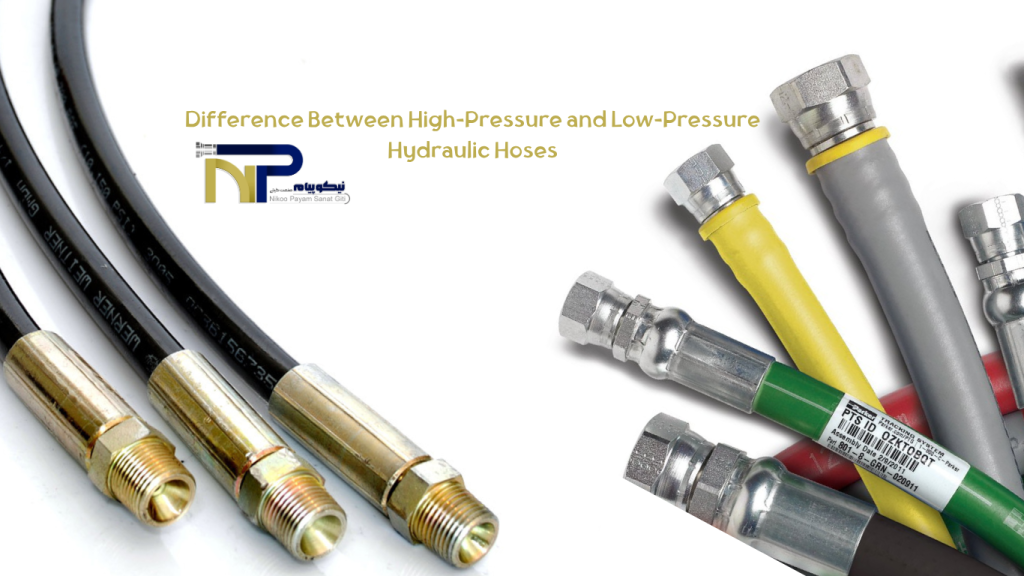
Hydraulic hoses are used to transfer oil, air, or other fluids in industrial and automotive systems. The main difference between high-pressure and low-pressure hydraulic hoses lies in their material, pressure tolerance, and application.
Structure of High-Pressure vs Low-Pressure Hydraulic Hoses
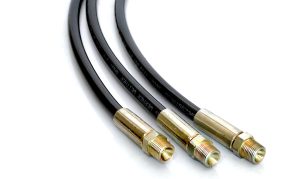
High-Pressure Hydraulic Hose:
-
Constructed with multiple layers reinforced with steel wires.
-
Typically designed for pressures above 300 bar.
-
Suitable for high-pressure automotive and industrial applications.
Low-Pressure Hydraulic Hose:
-
Typically made of rubber layers or cotton-braided fabric.
-
Designed for pressures below 50 bar.
Applications of High-Pressure and Low-Pressure Hydraulic Hoses
Use in Heavy-Duty Vehicles:
-
Trucks require high-pressure hoses for air brake systems, hydraulic steering, and jacks.
Use in Industry:
-
Forklifts, excavators, CNC machines, and cranes utilize high-pressure hoses.
-
Low-pressure hydraulic hoses are used for cooling, lubrication, and fuel supply systems.
How to Choose Between High- and Low-Pressure Hydraulic Hoses
-
Check system pressure: If operating pressure exceeds 100 bar, use a high-pressure hose.
-
Working temperature: For high-temperature environments, choose heat-resistant hoses.
-
Material and brand: Brands certified by DIN and SAE standards offer higher quality.
View all types of hydraulic hoses in our store
Frequently Asked Questions About Hydraulic Hoses
What is the main difference between these two types of hoses?
High-pressure hoses have reinforced steel layers, while low-pressure ones are made of rubber or fabric braiding.
Can a low-pressure hose be used in high-pressure systems?
No. This is dangerous and may cause hose rupture and serious system damage.
Conclusion
Understanding the difference between high- and low-pressure hydraulic hoses helps you make safer, more accurate, and more efficient choices. When in doubt, consulting a technical expert is always recommended.