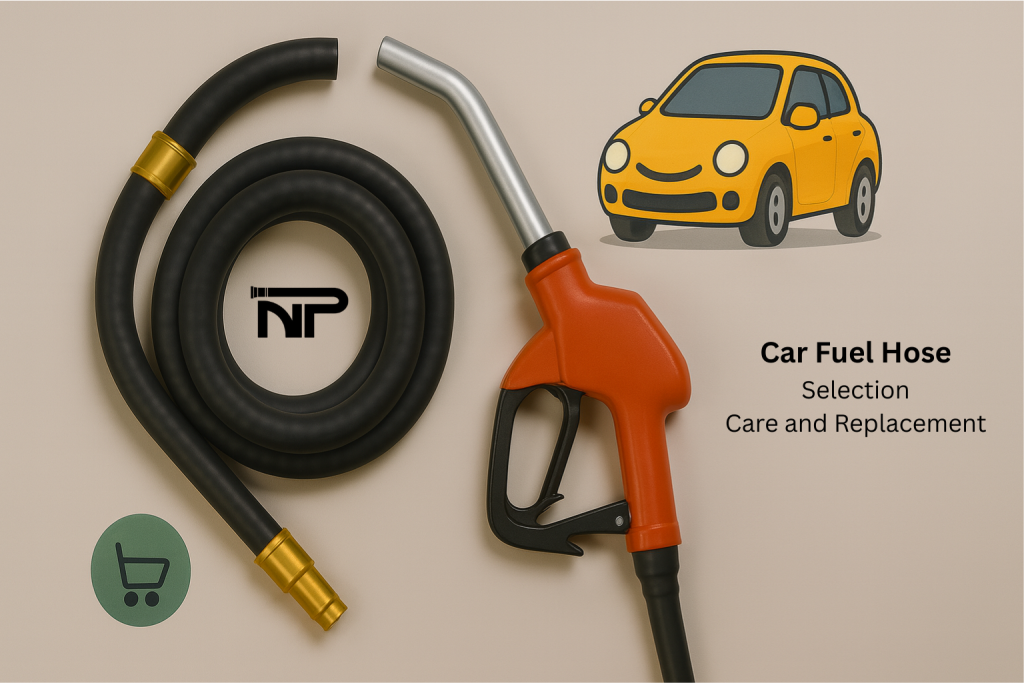
At first glance, a fuel hose may seem like just a flexible tube, but in reality, this small component forms one of the main lifelines of the car. Without this path, fuel never reaches the engine, and the vehicle cannot run even for a moment. For this reason, the quality, health, and type of the fuel delivery hose have a direct impact on performance, fuel consumption, and vehicle safety.
In this article, we cover everything about the fuel system hoses: from their functions and types to signs of failure, replacement methods, and safety tips.
⛽ What Is a Fuel Hose and What Does It Do?
The fuel hose is part of the fuel delivery system that transfers gasoline or diesel from the tank to the engine. This component must:
-
Be resistant to chemical compounds of fuel and additives.
-
Withstand system pressure without cracking or leaking.
-
Have enough flexibility to be installed in the engine’s complex pathways.
In modern cars, these fuel lines must also withstand the high pressure of injection systems and extreme temperature variations.
🛠️ Types of Fuel Hoses and Their Uses
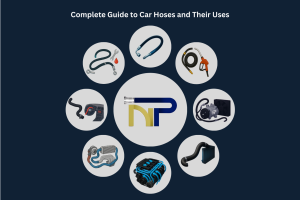
1. Rubber Fuel Hose
The most common type in regular vehicles. Affordable and easy to install but limited in heat and additive resistance.
2. Reinforced Fuel Hose
Multi-layered for higher pressure and tear resistance. Suitable for fuel-injected engines and harsh conditions.
3. Braided Steel Fuel Hose
Covered with stainless steel braid for exceptional durability. Common in racing and industrial vehicles.
4. Nylon / PTFE Fuel Hose
Lightweight, corrosion-resistant, and suitable for advanced fuel systems.
⚠️ Signs of Fuel Line Failure
Recognizing signs of hose damage can prevent accidents:
-
Strong smell of fuel around the vehicle
-
Leaks or fuel stains under the car or on the engine
-
Reduced acceleration or engine misfiring
-
Illumination of the check engine light
-
Unusual wetness around the hoses or connections
Important note: Fuel leakage, even in small amounts, can cause fire. Immediate repair is essential.
🛒 How to Choose the Right Fuel Hose
When buying a fuel line or hose, consider these points:
-
Durable material resistant to gasoline, diesel, and fuel additives
-
Standard inner and outer diameter as recommended by the manufacturer
-
Pressure and temperature resistance suitable for the engine and fuel system type
-
Use of reputable brands to ensure quality
Incorrect choice can reduce hose lifespan or even damage the engine.
🔧 Steps to Replace a Fuel Hose
1. Turn off the car and let the engine cool down.
2. Release the fuel system pressure.
3. Loosen the clamps on both ends of the hose.
4. Remove the old hose and clean the connection points thoroughly.
5. Install the new fuel line with appropriate clamps.
6. Start the car and ensure there are no leaks.
🦺 Safety Tips When Working with Fuel Hoses
-
Always work in a well-ventilated area.
-
Stay away from fire, sparks, and smoking.
-
Wear safety gloves and goggles.
-
Dispose of worn-out hoses safely to avoid environmental pollution.
🕒 Maintenance Tips to Extend Fuel Hose Lifespan
-
Regular inspection for cracks or discoloration
-
Replacing rusty or loose clamps
-
Keeping the hose away from unnecessary heat sources
-
Using high-quality fuel to prevent corrosive effects
✅ Conclusion
Although the fuel hose is a small component, the proper functioning of the entire fuel system depends on its condition. By choosing the right one, maintaining it properly, and replacing it on time, you can optimize fuel consumption and reduce potential risks.
Interestingly, the fuel hose is only one of several important hoses in a car. If you want to learn more about other hoses and their role in vehicle performance, I recommend reading the comprehensive car hose guide.