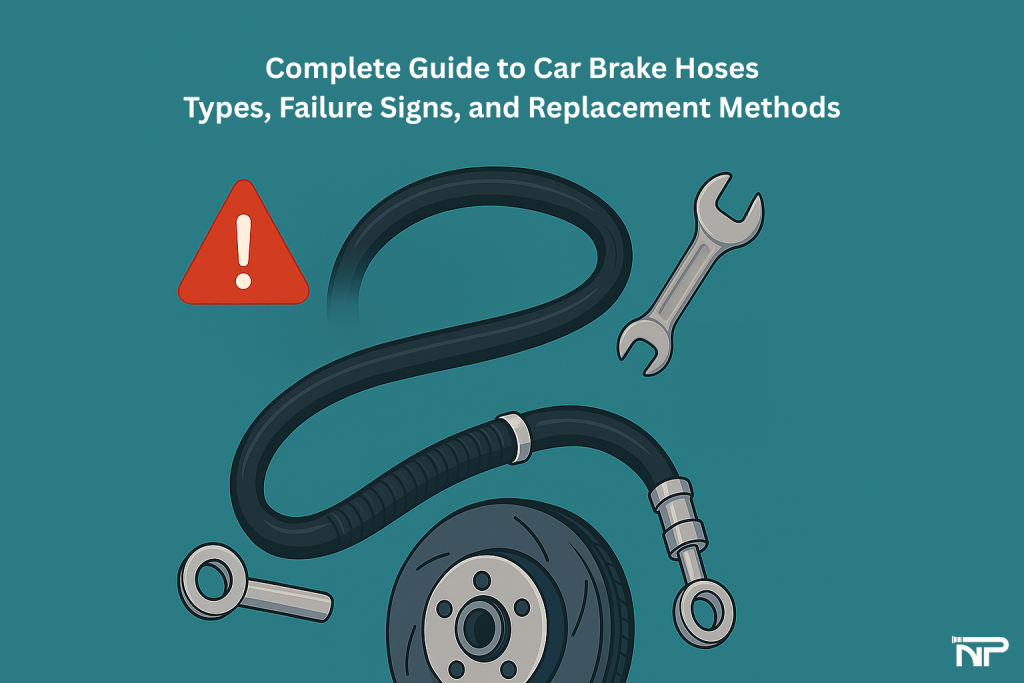
The car brake hose is the heart of the braking system, often unnoticed but playing a crucial role in driving safety. When you press the brake pedal, these hoses transfer brake fluid pressure to safely stop the vehicle. Any issue with this small component can reduce braking efficiency and even cause irreversible dangers ⚠️. In this comprehensive guide, we will cover everything about car brake hoses, their types, failure signs, replacement methods, and key maintenance tips to keep your vehicle in top condition.
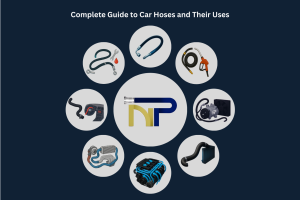
For further reading and to learn more about different types of car hoses and their uses, see the article Comprehensive Guide to Car Hose Types.
🛠️ Function of Car Brake Hose
The car brake hose plays a vital role in transferring brake fluid pressure from the reservoir or pump to the wheels. This pressure activates the braking system and stops the car. Since wheels and the suspension system move continuously while driving, the brake hose must be flexible to withstand these movements without damage or breakage. In other words, the brake hose is a bridge between the brake pump and the calipers, delivering the necessary pressure to the wheels.
🚘 Types of Car Brake Hoses
Brake hoses come in several types, each suitable for specific conditions:
-
Rubber Hose: The most common type of brake hose, widely used in passenger cars due to its high flexibility and affordable cost.
-
Metal (Flexible) Hose: Made of braided steel wires, these hoses are more resistant to pressure and heat. They are typically used in heavy-duty vehicles or sports cars.
-
Hybrid Hose: A combination of rubber and metal that aims to provide both flexibility and durability.
To view different types of brake hoses and shop online, visit our product page.
🚩 Signs of Brake Hose Failure
Recognizing the signs of a faulty brake hose can save your life and your passengers’ lives:
-
Brake Fluid Leak: Noticing drops of brake fluid under the vehicle or around the wheels is one of the clearest signs of hose damage.
-
Soft or Low Brake Pedal Pressure: If the pedal feels soft or requires more force to press, the brake hose may be failing.
-
Unusual Noises: Whistling, squeaking, or clicking sounds when braking can indicate cracks or damage in the hose.
-
Swelling or Cracks on the Hose: When inspecting the hoses after removing the wheels, swelling, cracks, or abnormal stiffness signal that replacement is needed.
-
Brake Warning Light: Modern car systems automatically detect brake system faults and trigger the warning light.
🔧 Brake Hose Replacement Methods
Replacing a brake hose is a sensitive task that must be done carefully with safety in mind:
-
First, park the vehicle on a flat, safe surface and use a jack to lift the target wheel.
-
Remove the wheel and disconnect the faulty hose from its fittings. Place a container underneath as brake fluid may leak.
-
Install the new hose and tighten the nuts with a special wrench. Ensure all connections are properly sealed.
-
Refill the brake system with brake fluid and bleed the brakes to remove any air bubbles.
-
Reattach the wheel and lower the vehicle.
-
Test the brakes several times carefully to make sure everything works properly.
⚠️ If you are not experienced, always seek help from a professional mechanic to reduce potential risks.
Frequently Asked Questions about Brake Hoses ❓
-
What is the lifespan of a brake hose?
The average lifespan is 3 to 5 years, but driving conditions and maintenance can affect this range. Regular inspection is essential. -
Can I replace the brake hose myself?
Yes, if you have technical skills and the right tools. However, due to the sensitivity of the brake system, it is recommended to have it done by a specialist. -
Which is better, rubber or metal hose?
Rubber hoses are suitable for everyday use and normal conditions, while metal hoses are more durable and perform better under tough conditions. -
Can a brake hose be repaired?
No, brake hoses must be intact and flawless. Repair is not recommended—complete replacement is necessary if damaged.
✅ Final Summary
The car brake hose is one of the most critical components for your safety and that of your passengers. Understanding its function, types, failure symptoms, and replacement methods helps you drive with peace of mind. Never underestimate brake hose damage—always repair or replace it promptly. Following these simple tips can prevent serious accidents and extend the life of your braking system. Safe driving often comes down to small yet crucial details like maintaining your brake hoses.