
Summer Radiator Hose: A Complete Guide to Protecting Your Engine in Extreme Heat
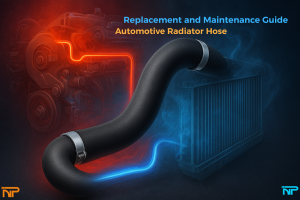
As summer begins and temperatures rise, your vehicle’s engine comes under more stress than ever. One of the key components in maintaining optimal engine temperature is a summer radiator hose. This seemingly simple part plays a vital role in safely circulating coolant through the cooling system. If you care about your car’s health and want to avoid expensive repairs, choosing the right hose for hot weather is essential.
Why a Summer Radiator Hose Matters
In warm seasons, coolant flows through the system at very high temperatures. Old or weak hoses cannot handle this heat and pressure and may crack, leak, or even burst. This can lead to engine overheating and ultimately serious damage. Using a summer-grade radiator hose ensures your cooling system functions reliably under heat stress.
In addition, the increased use of air conditioning in summer adds extra load on the engine and cooling system. If your hose can’t handle the heat and pressure, problems will appear quickly.
Key Features of a Good Summer Radiator Hose
To be considered suitable for summer, a radiator hose should offer the following:
-
High heat resistance (at least up to 120°C)
-
Resistance to drying and cracking
-
Flexibility even at high temperatures
-
Multi-layer structure to prevent tearing and rupture
-
Perfect fit for your vehicle model for leak-free installation
-
Corrosion resistance against antifreeze and chemical coolants
Types of Radiator Hoses Suitable for Summer
Many types of hoses are available in the market, but not all are suitable for summer. Here are the top choices:
1. Silicone Hoses
Silicone hoses offer excellent resistance to heat and pressure, making them ideal for summer. They retain shape, resist drying, and last longer. Although they are more expensive, they are a cost-effective choice in the long run.
2. Fiber-Reinforced Polyester Hoses
For vehicles that operate in heavy traffic or long distances, these reinforced hoses provide better durability and resistance to cracking under pressure.
3. Standard Rubber Hoses
While more affordable, these hoses wear out faster. In hot weather, they are more prone to aging and cracking. They are not recommended for summer, especially if the material quality is low.
When Should You Replace Your Radiator Hose?
The following signs indicate it’s time to upgrade to a summer-grade hose:
-
Cracked or flaking outer surface
-
Excessively loose or stiff hose
-
Leaks at joints or bends
-
Frequent drop in radiator water level
-
Burning smell or steam under the hood
Even if the hose appears fine, if it’s over 3 years old, replacement is recommended. In summer, prevention is always better than repair.
Buying Tips for a Summer Radiator Hose
Keep the following in mind for a confident purchase:
-
Choose a trusted brand, preferably with heat-resistance certifications
-
Know your vehicle model and its production year
-
Carry the OE code of the original hose
-
Check the material and thickness of the hose
-
Ask the seller about the actual temperature resistance
-
If you live in a hot region, always go for silicone or reinforced types
Conclusion
In the summer heat, using a summer-grade radiator hose is no longer a luxury—it’s a necessity. This small part can prevent costly repairs, roadside breakdowns, and serious engine damage. If you drive a heavy vehicle or truck, we highly recommend checking out hoses designed specifically for summer.
One of the most reliable and tested options is the 355 Truck Radiator Hose from Nikoo Payam Sanat Giti. This product offers excellent heat resistance, precise design, and complete compatibility with harsh summer conditions—making it one of the best choices to protect your engine.
Don’t miss the opportunity—make the right choice and drive worry-free all summer long.