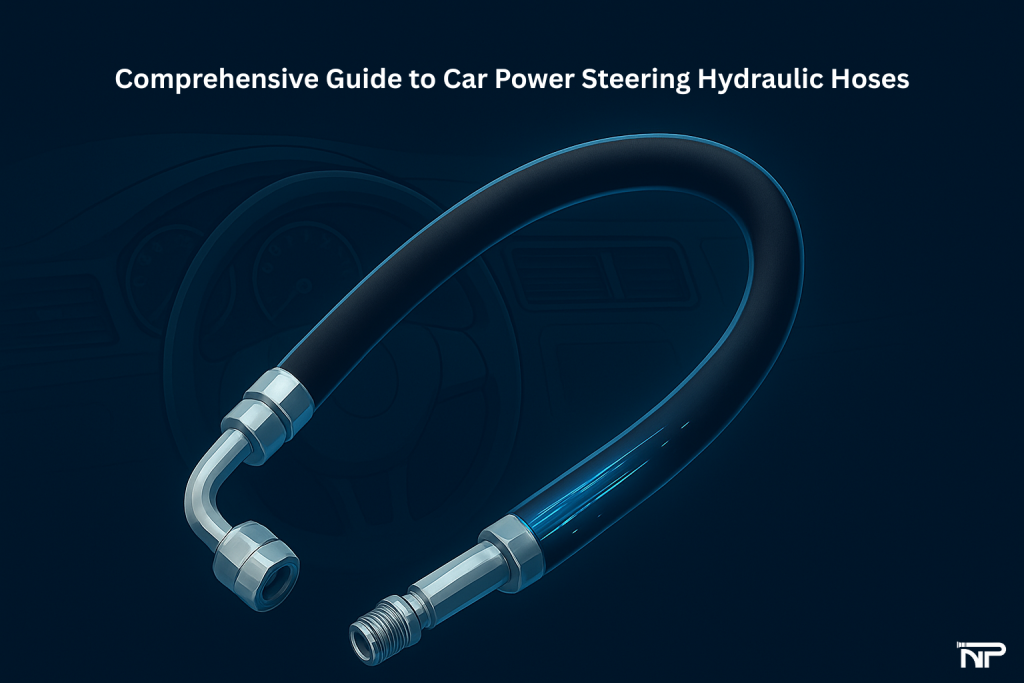
Car power steering hydraulic hose is one of the most important components of the hydraulic steering system, transferring high-pressure fluid from the pump to the steering gear. Its role is to provide a reliable, leak-free connection between key parts of the steering system.
If this small component fails, not only does steering smoothness decrease, but controlling the car in critical situations may become difficult or impossible, especially at high speeds or during sudden turns.
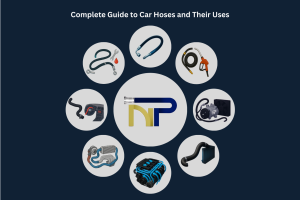
For a complete understanding of other car hoses, we recommend reading the article Comprehensive Guide to types of car hoses to better understand the variety and function of each hose.
🎯 Function of Car Power Steering Hydraulic Hose
The hydraulic steering system multiplies the force applied to the steering wheel using fluid pressure, allowing wheels to turn with minimal effort. The hydraulic hose is the main pathway for transferring this pressure.
This hose must have the following features:
- High pressure resistance: Hydraulic fluid pressure can be extremely high.
- Heat tolerance: Engine heat and continuous fluid pressure can raise temperatures significantly.
- Flexibility: To prevent cracking or tearing from constant engine and chassis movement.
- Leak-proof: Even a small leak can disrupt the entire system.
🔍 Types of Car Power Steering Hydraulic Hoses
1. High-pressure hose
This hose transfers high-pressure fluid from the pump to the steering gear. It is usually multi-layered, made of oil-resistant rubber reinforced with steel wire.
2. Low-pressure (return) hose
After the fluid passes through the steering gear, it returns to the reservoir. This line has lower pressure but still requires a heat- and oil-resistant hose.
3. Combined hose
In some vehicles, the supply and return hoses are integrated into a single unit for easier installation and maintenance.
⚠️ Signs of Car Power Steering Hydraulic Hose Failure
Failure of this component can quickly damage other system parts. Common signs include:
- 🛢 Hydraulic fluid leaks around the hose or connections
- 🌀 Stiff steering, requiring more effort to turn
- 🔊 Unusual pump noise when turning the wheel
- 🪢 Cracks or bulges in the hose, indicating structural weakness
- 📉 Frequent fluid loss without visible leaks elsewhere
🛠 How to Replace a Car Power Steering Hydraulic Hose
Tools and Materials:
- Car-specific hydraulic steering hose
- Suitable hydraulic fluid
- Wrenches for removing and tightening connections
- Container to collect old fluid
- Gloves and safety glasses
Replacement Steps:
- Turn off the car and ensure the engine is cool
- Drain hydraulic fluid into the container
- Remove the old hose from both connections
- Inspect and clean the connections to remove deposits or damage
- Install the new hose and tighten fittings to the recommended torque
- Refill with fresh fluid according to the owner’s manual
- Bleed the steering system to prevent poor performance
- Test steering performance and check for leaks
💡 For quality, standard hoses, you can check our products to find the right hose for your vehicle.
🛡 Key Maintenance Tips for Car Power Steering Hydraulic Hoses
- Periodic inspection: Check for cracks or leaks at least every 6 months
- Timely fluid replacement: Dirty or old fluid can cause internal hose damage
- Avoid excessive stress: Do not turn the steering wheel too far when stationary
- Protect from heat: Avoid direct contact with hot engine parts
🧠 FAQs
1. What is the lifespan of a power steering hydraulic hose?
Usually 5–10 years, depending on driving conditions and fluid quality.
2. Can a hydraulic hose be repaired?
Temporary repair is possible, but full replacement is safer due to high system pressure.
3. What fluid should be used?
The fluid recommended by the vehicle manufacturer in the owner’s manual is best.
🏁 Conclusion
Car power steering hydraulic hoses may seem simple, but they play a critical role in smooth steering and driving safety. By recognizing signs of failure and performing proper maintenance, you can extend hose life and avoid costly repairs.