The car air conditioning system is essential for comfortable summer drives. When the AC works properly, it not only cools the cabin but also positively impacts the health of the driver and passengers. Among its components, the car AC hose plays a key role by transferring refrigerant gas. If this hose malfunctions, the entire AC system’s efficiency drops significantly.
🔧 What Is a Car AC Hose and How Does It Work?
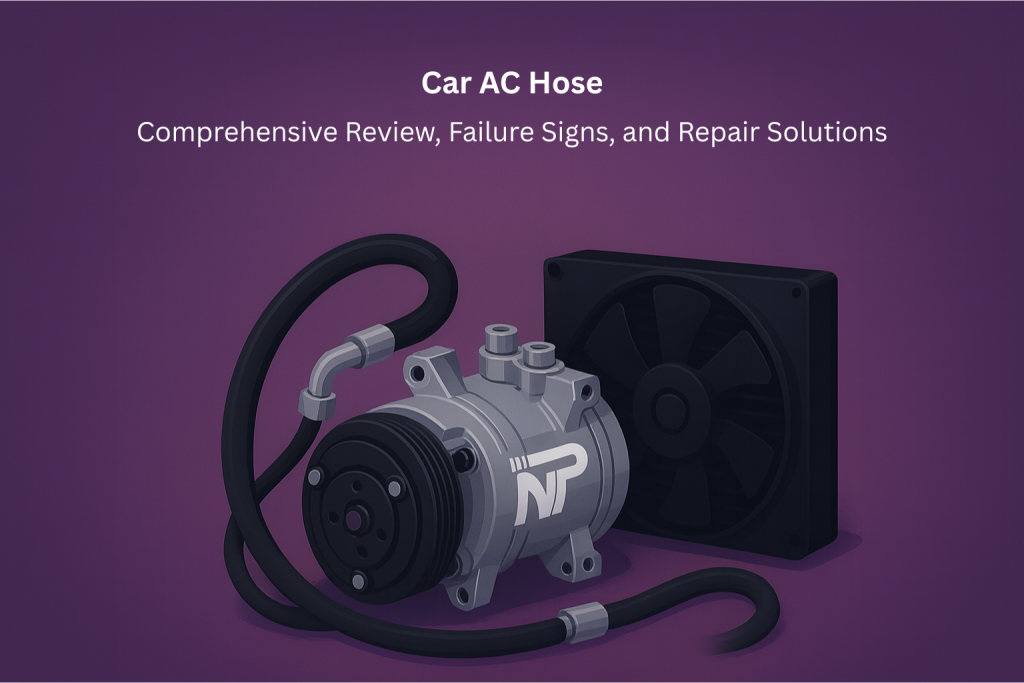
The car AC hose is a flexible, durable tube that transfers refrigerant gas between main AC components, including:
-
Compressor (refrigerant pump)
-
Condenser (gas cooler)
-
Evaporator (cabin air cooler)
Without these hoses, gas transfer is impossible. Even a small leak or crack can disable the entire system.
✅ Types of Car AC Hoses
AC hoses are typically divided into two main types:
-
High-Pressure Hose
-
Transfers hot, compressed gas from the compressor to the condenser
-
Requires high resistance to pressure and temperature
-
-
Low-Pressure Hose
-
Transfers cooled gas back to the compressor
-
Larger diameter and more flexibility
-
Modern cars sometimes use hybrid hoses for better resistance to corrosion and vibration.
⚠️ Signs of a Failing Car AC Hose
Early detection is crucial. Key symptoms include:
-
Reduced AC cooling: AC is on but not cooling effectively.
-
Hissing sound during operation: usually indicates gas leak from hose or connections.
-
Oil stains on the hose: refrigerant carries a small amount of oil, so leaks cause greasy spots.
-
Freezing or unusual moisture around the low-pressure hose.
-
In some vehicles, unpleasant odors when the AC is on may indicate leaks or air mixing.
🛠️ Common Causes of AC Hose Failure
Why do these hoses fail?
-
Wear and age: rubber and inner layers dry and crack over time.
-
Engine vibrations and shocks can loosen connections or crack walls.
-
Improper installation or repair by unskilled technicians.
-
Use of low-quality refrigerant or wrong oil causing internal corrosion.
-
Harsh weather conditions (extreme heat or cold) putting extra pressure on the hose.
🔍 Methods to Inspect and Diagnose AC Hoses
To ensure hose health, you can:
-
Visual inspection: check for cracks, oil leaks, or discoloration.
-
Soap bubble test: apply soapy water; bubbles indicate leaks.
-
Pressure testing: in workshops using specialized tools.
-
Neon or dye gas test: in some methods, colored gas is injected to locate leaks.
🔧 Car AC Hose Repair Methods
Depending on damage severity, there are several options:
1. Temporary repair
Special tapes or cold welding can temporarily stop leaks.
⚠️ This is only a short-term solution and may fail again.
2. Replace connections
If leaks are at joints or seals, replacing O-rings or tightening clamps usually solves the issue.
3. Full hose replacement
For cracks or holes, the proper solution is replacing the car AC hose with original, standard parts.
💰 Cost of Repair or Replacement
Costs depend on:
-
Car type (domestic or imported)
-
Hose type (high or low pressure)
-
Technician labor
-
Need for refrigerant recharge after repair
On average, replacing a car AC hose in domestic cars has a moderate cost, but for imported or luxury vehicles, it may be several times higher.
⏳ Tips to Extend AC Hose Lifespan
To avoid high costs, follow these key tips:
-
✅ Annual AC service and hose inspection
-
✅ Use standard refrigerant and appropriate oil
-
✅ Avoid overloading the AC (e.g., long use at idle)
-
✅ Visit reputable workshops for repair or replacement
❓ FAQs About Car AC Hoses
1. Can a car AC hose be repaired, or must it always be replaced?
For minor leaks, temporary repair may work, but the safest solution is full hose replacement.
2. When should the AC hose be replaced?
Replace if there are deep cracks, severe leaks, or noticeable cooling loss.
3. Is AC gas recharge effective without replacing a faulty hose?
No, leaks will cause gas to escape again, wasting your money.
💡 Conclusion
Car AC hoses are vital for the air conditioning system, and their health directly affects AC performance. Even minor leaks can reduce cooling and, if ignored, cause severe compressor damage.
The best approach is early detection, timely servicing, and full replacement with standard parts when needed.
To learn about other essential car hoses and their role in vehicle systems, check out the comprehensive Car Hoses Guide.