Importance of the Car Radiator Hose
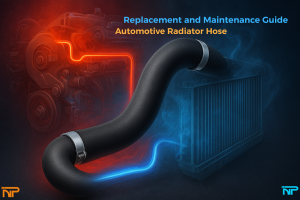
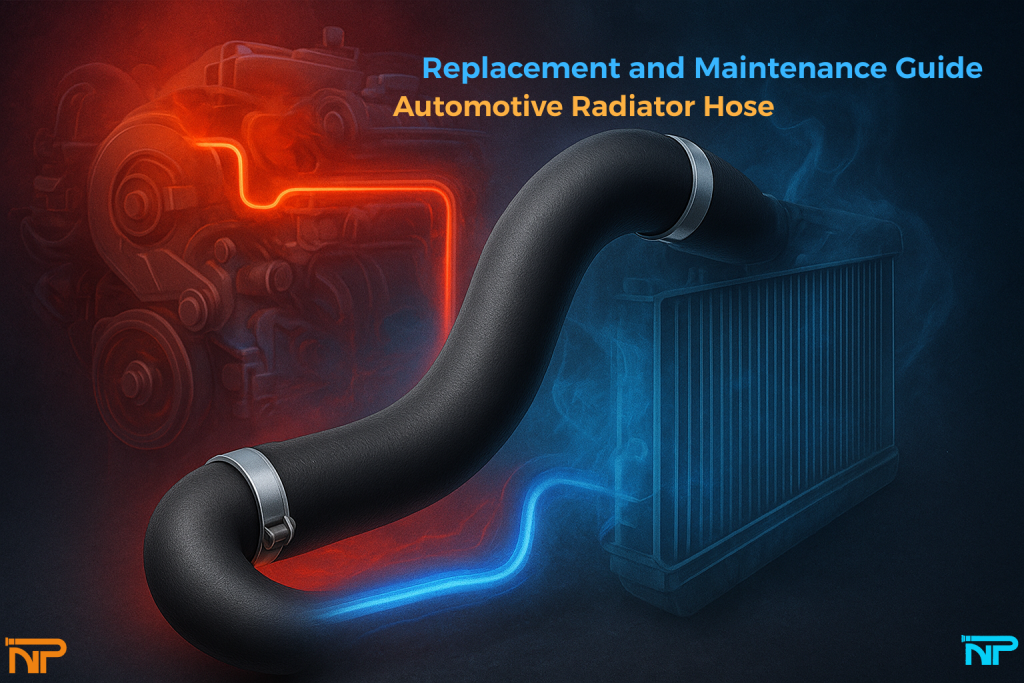
The engine cooling system cannot function properly without the car radiator hose. These hoses act like the veins of the engine, carrying coolant from the engine to the radiator and back.
If this small component develops cracks, tears, or leaks, engine temperature rises quickly, potentially causing a blown head gasket or even damage to the engine block. Regular inspection and proper maintenance of this vital part reduce costly repairs.
Material and Structure of Car Radiator Hoses
Radiator hoses are generally made from multi-layer reinforced rubber. Key features include:
-
High pressure resistance 🔩
-
Continuous heat resistance 🔥
-
Flexibility for easy installation
-
Inner lining resistant to coolant chemicals
This design allows hoses to last for years, but they eventually wear out due to temperature changes and age.
Types of Car Radiator Hoses
There are various radiator hoses depending on installation position and vehicle model:
-
Upper Radiator Hose: Transfers hot coolant from the engine to the radiator.
-
Lower Radiator Hose: Returns cooled coolant to the engine.
-
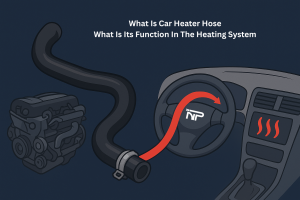
Auxiliary Hoses: Connect components like the heater or thermostat.
Note that each vehicle has a specific design; check your car’s model and year when purchasing.
👉 For compatible hoses, visit the Nikoo Payam product page.
Signs of Radiator Hose Failure
Radiator hoses usually show warning signs before completely failing. Key indicators include:
-
Cracks, dryness, or bulging on the hose surface
-
Coolant leaks around connections
-
Discoloration or unusual smell of the coolant
-
Rising engine temperature and warning light
🔔 Regularly inspect hoses during vehicle service to replace them before serious problems occur.
How to Replace a Car Radiator Hose 🔧
If your radiator hose is damaged, replacement is straightforward but requires care:
-
Turn off the engine and let it cool completely.
-
Drain the coolant from the radiator.
-
Loosen the metal clamps at both ends of the hose.
-
Remove the old hose and clean the connection points.
-
Install the new hose and secure the clamps tightly.
-
Refill with fresh coolant and bleed the system.
💡 Always replace old coolant with new during hose replacement to prolong system life.
Important Radiator Hose Maintenance Tips 🛠️
To extend the life of radiator hoses and keep the engine at optimal temperature:
-
Check hoses every 30,000 km or annually.
-
Use quality, standard coolant.
-
Regularly monitor engine temperature.
-
Use secure and standard clamps.
-
Select original, model-compatible hoses during replacement.
FAQs ❓
1. How often should the radiator hose be replaced?
Typically every 4-5 years or when warning signs appear.
2. Is using glue to fix a leaking hose acceptable?
No, it’s only a temporary solution and may damage the engine. Full replacement is best.
3. Do all cars have the same radiator hose?
No, each car has a hose designed for its model.
4. What happens if a hose suddenly bursts?
Coolant drains and the engine overheats within minutes, risking serious damage.
Final Summary 📝
The car radiator hose is a small but vital component. Neglecting its inspection and maintenance can cause major engine damage. By following the tips above and timely replacement, you ensure the cooling system performs optimally. For more details on various car hoses, see the article Complete Guide to Car Hoses and Their Uses.