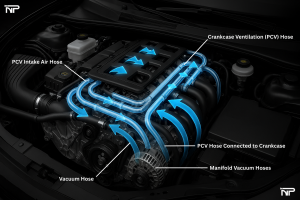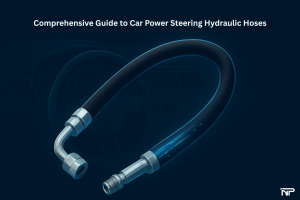
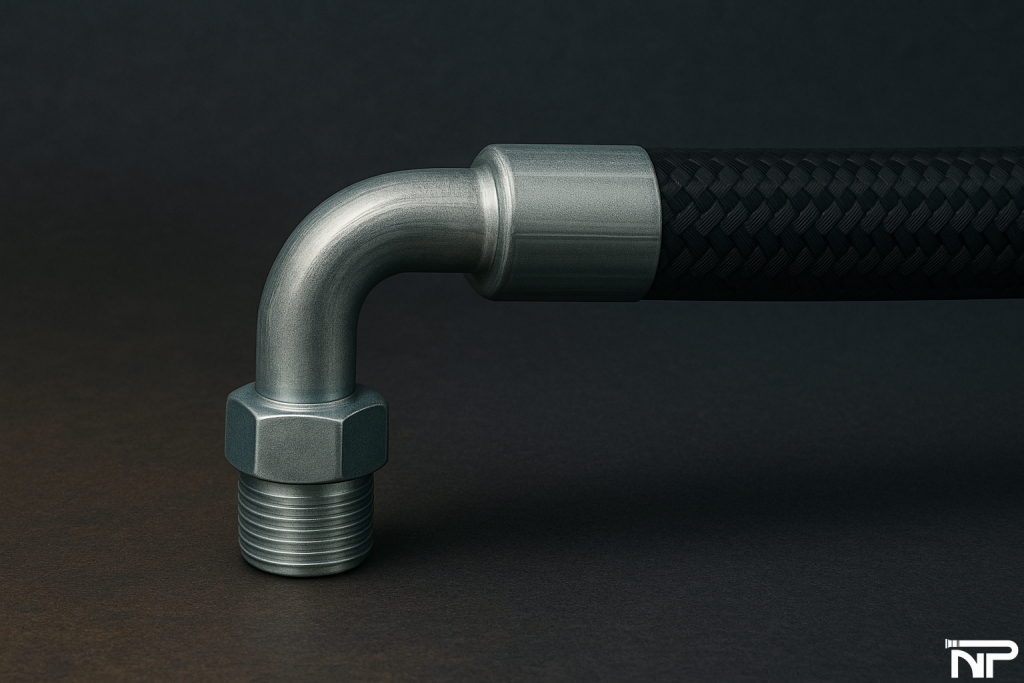
Hydraulic oil hose in cars is a vital component in steering, braking, and power transmission systems. Unlike regular hoses, it is designed to withstand extremely high pressure and temperature. If you’re looking to understand how it works and how it differs from standard hoses, this article is your complete guide.
Role of Hydraulic Oil Hose in Cars
The hydraulic system in vehicles is based on transferring force through fluid. To move this oil, a hose is required that can withstand high pressure while ensuring safety and durability.
Hydraulic oil hose in cars is typically positioned between the hydraulic pump and components like the steering box or hydraulic cylinders. It securely delivers pressurized fluid without leaks or pressure drops, ensuring accurate system performance.
Main Applications of Hydraulic Oil Hoses in Cars
In both light and heavy vehicles, these hoses are used in various systems:
| Application | Description |
|---|---|
| Power Steering System | Transfers fluid from the pump to the steering box to provide smoother steering |
| Hydraulic Brake System | Used in some vehicles to transfer brake fluid pressure to the cylinders |
| Cranes and Cargo Trucks | Transfers force to hydraulic arms and lifting mechanisms |
| Active Suspension System | Used in luxury or off-road vehicles to control suspension height and stiffness |
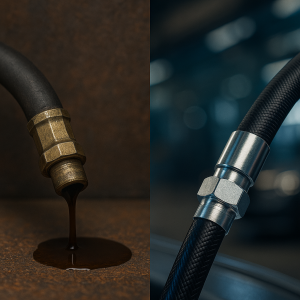
Differences Between Hydraulic Oil Hoses and Regular Hoses
Although both types transfer fluid, they have significant technical and functional differences:
| Feature | Hydraulic Oil Hose in Cars | Regular Hose |
|---|---|---|
| Pressure Resistance | Very high (up to several hundred bars) | Low (for non-pressurized fluids) |
| Inner Layer Material | Resistant to corrosion and pressure | Typically plain rubber |
| Reinforced Structure | Contains internal fiber or metal wire layers | No reinforcement |
| Price and Lifespan | More expensive but more durable | Cheaper but less durable |
| Usage | Designed for high-pressure systems | For general use like water transfer |
Why Choosing the Right Hose Matters
Using the wrong hose instead of a hydraulic oil hose in cars can lead to serious consequences, including:
- Bursting under high pressure
- Oil leakage and steering system failure
- Reduced driving safety
- Higher repair costs
Therefore, selecting a quality product—preferably certified and from reputable brands—is essential.
Key Tips When Buying a Hydraulic Oil Hose
- Check the working pressure and burst pressure ratings.
- Ensure the hose material is compatible with the fluid type and temperature range.
- Choose the right length and internal diameter.
- Buy from trusted stores like Nikoo Payam Sanat Giti.
Conclusion
Hydraulic oil hose in cars is a key component in ensuring safe and smooth vehicle operation. Given the high pressure in hydraulic systems, using a hose with standard specifications reduces repair costs and boosts vehicle safety.