5 Signs You Should Replace Vehicle Hose | Complete Hose Failure Guide
Introduction
Vehicle hoses are among the most critical consumable and safety components in systems like fuel, coolant, and oil transmission. While their failure may seem minor, it can lead to engine damage, fire, or a sudden breakdown.
However, many drivers overlook early warning signs or delay hose replacement. In this article, we’ll examine 5 clear signs that indicate it’s time to replace vehicle hose. We’ve also answered common user questions to make this the most comprehensive guide available.
1. Cracks or Brittleness on the Hose Surface
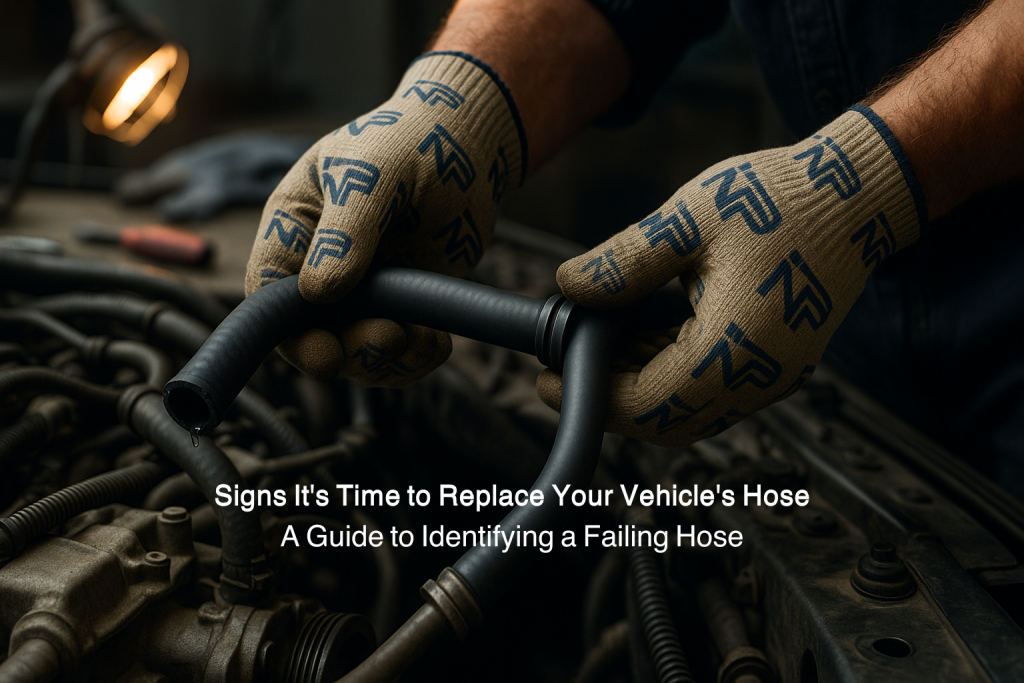
Hoses near the engine are exposed to constant heat, pressure, and friction. Over time, they lose flexibility and develop surface cracks or dry out. Such hoses can no longer withstand fluid pressure and are prone to bursting or leaking.
During routine maintenance, if you notice roughness, dryness, or tiny cracks when touching the hose, it’s time to replace it immediately to prevent costly damage.
2. Fluid Leakage at Hose Connections or Along the Body
Any fluid leaking from a vehicle hose—especially at connection points or along its length—is a serious warning. Leaks may result from faulty clamps or internal structural weakness.
Leaks often appear when the engine heats up or under pressure. Check for stains beneath your parked vehicle, or inspect suspicious areas by touch. If a leak is found, replace the hose without delay.
3. Bulging or Abnormal Swelling
Bulging is usually caused by internal layer damage. This can happen due to excess pressure, exposure to chemicals, or high temperatures. A swollen section means internal pressure is weakening the hose structure, increasing the risk of rupture.
If a hose loses its natural shape, even without visible leaks, consider it defective and replace it.
4. Burning Smell or Smoke from the Engine Bay
A burning odor or faint smoke can be a sign of hose failure. When a hose leaks, fluids like oil or coolant may drip onto hot engine parts, producing smell or visible smoke.
Never ignore this warning—it has led to engine fires in some cases. Stop the vehicle and inspect the system. Replace the hose if needed.
5. Rising Engine Temperature and Performance Issues
Hoses in the cooling system, such as steam or coolant hoses, are vital in maintaining optimal engine temperature. If one fails due to blockage, rupture, or leakage, coolant flow is disrupted, causing the engine to overheat.
Signs include rising temperature gauge, steam from under the hood, or weak air conditioning and heating. Quickly identifying these issues and replacing the hose helps prevent serious engine damage like a blown head gasket.

Additional Tips
Choosing the Right Hose
Vehicle hoses should be selected based on vehicle type, working pressure, ambient temperature, and fluid type. Using low-quality or non-standard hoses shortens your vehicle’s lifespan.
When to Replace
On average, hoses should be replaced every 2 to 5 years depending on usage. Regular inspections—by sight and touch—can prevent major failures.
Frequently Asked Questions
The hose looks fine, but there’s sometimes a bad smell. Why?
There might be a very small leak, or the hose could be sweating onto hot engine parts. A technical check is recommended.
The hose is cracked but not leaking yet. Should I replace it?
Yes. Surface cracks indicate the internal structure is also deteriorating.
Can I use a second-hand or generic hose?
Absolutely not recommended. Hoses are low-cost but crucial to vehicle safety.
Conclusion
Vehicle hoses may be some of the cheapest consumables, but ignoring their condition can result in the most expensive damage. By recognizing the key warning signs and acting fast to replace your vehicle’s hose, you can avoid breakdowns, dangerous situations, and high repair costs.
At Nikoo Payam, you’ll find a full range of industrial-grade vehicle hoses with international certifications and technical support—designed to keep your engine running safe and smooth.