What Is a Car’s EVAP System and Why Does It Matter?
In today’s vehicles, reducing emissions is not just a choice — it’s a necessity. One of the lesser-known yet essential systems that helps achieve this is the EVAP system, short for Evaporative Emission Control System.
This system plays a crucial role in capturing fuel vapors and preventing them from escaping into the atmosphere. Closely tied to the vehicle’s hose network, a malfunction in the EVAP system can lead to gasoline odors, a triggered check engine light, and even a failed emissions test.
In this article, we’ll take a deep dive into the EVAP system: how it works, its components, the role of hoses, signs of failure, and how to keep it running smoothly.
What Is the EVAP System?
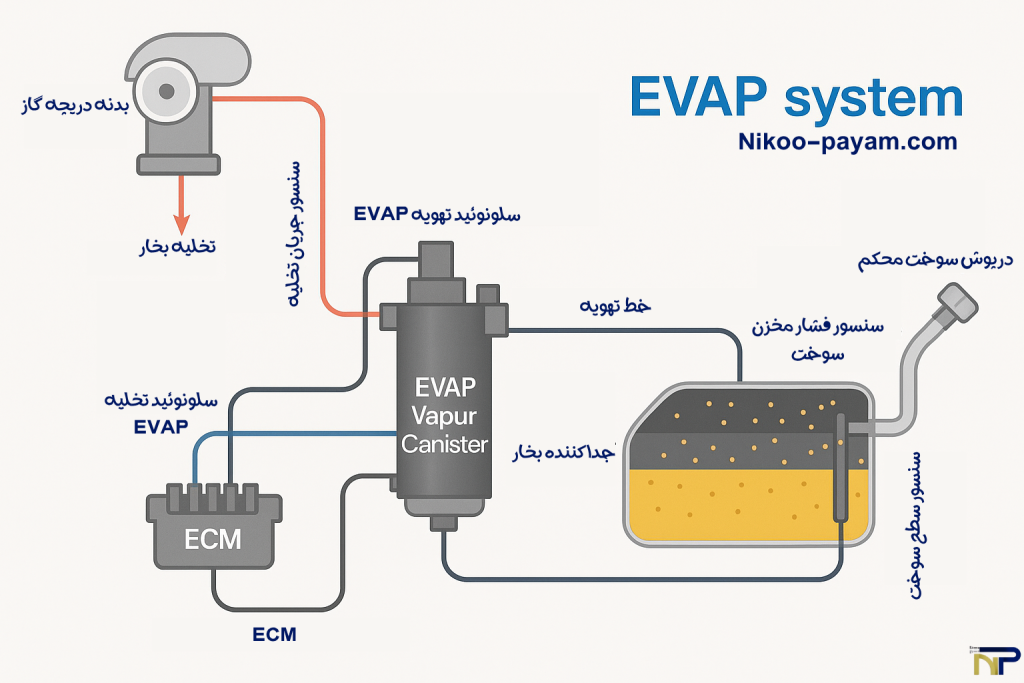
The EVAP (Evaporative Emission Control System) is designed to trap fuel vapors from the gas tank and route them back into the engine to be burned during combustion — instead of releasing them into the air.
These vapors are managed through a network of valves, sensors, and hoses, ensuring proper containment and redirection.
Main Components of the EVAP System
-
Canister: Filled with activated charcoal to absorb fuel vapors.
-
Purge Valve: Releases stored vapors from the canister into the intake manifold when conditions are right.
-
Vent Valve: Controls airflow in and out of the system to manage pressure.
-
Pressure Sensor: Detects leaks or pressure irregularities in the system.
-
EVAP Hoses: A system of fuel-resistant hoses that connect these components and safely transport vapors.
Note: These hoses must be resistant to heat, fuel, pressure, and vapor. Cracks, aging, or leaks can significantly disrupt system performance.
Why Are EVAP Hoses So Important?
-
Prevent harmful fuel vapors from escaping into the environment
-
Protect the system from moisture, dirt, and debris
-
Help the engine run efficiently and prevent the check engine light from coming on
-
Contribute to vehicle safety and fuel economy
Using high-quality, fuel-resistant hoses is vital for the reliable operation of the EVAP system.
Common Symptoms of EVAP System Failure
-
Check Engine Light is on
-
Strong smell of gasoline near or inside the vehicle
-
Visible fuel leakage under the car or near the fuel tank
-
Hard starts or poor engine performance
-
Diagnostic trouble codes like P0440, P0455, P0456 showing on a scanner
Common Causes of EVAP Hose Failure
| Cause | Explanation |
|---|---|
| Heat and age-related wear | Hoses dry out and crack over time |
| Using counterfeit hoses | Low-quality materials cause quick failure |
| Poor installation or pressure | May cause hoses to disconnect or tear |
| Contamination | Water, dirt, or bad fuel can clog or corrode the system |
How to Prevent EVAP Hose Problems
-
Regularly inspect hoses, especially near the charcoal canister
-
Never use unbranded or counterfeit hoses
-
Replace hoses at scheduled intervals or when damage is detected
-
Avoid overfilling the fuel tank — excess pressure can damage the system
Is a Failing EVAP System Dangerous?
Yes. A faulty EVAP system can lead to:
-
Release of flammable and toxic vapors into the air
-
Failure in vehicle emission tests
-
Increased fuel consumption and reduced engine efficiency
-
Fire hazards from vapor buildup
-
Damage to the catalytic converter and other engine parts
Final Thoughts
The EVAP system is a critical part of modern vehicles, helping reduce emissions, improve fuel economy, and ensure safety.
Among its components, the hoses are like the veins of the system. A damaged or leaking hose can cause serious technical problems, environmental harm, and safety risks.
If you notice a fuel smell or the check engine light is on, start by inspecting the EVAP hoses — replacing a worn hose might save you from bigger repairs down the road.