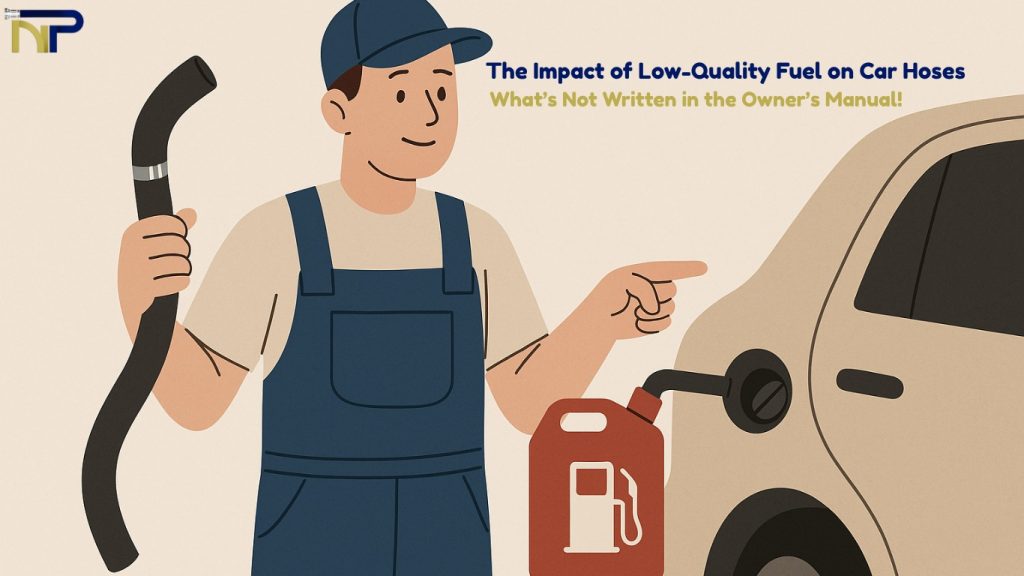
The Impact of Low-Quality Fuel on Car Hoses: A Problem Often Overlooked
In the world of automobiles, hoses play a vital yet often overlooked role. Many drivers believe that only components like the engine or injectors are affected by fuel quality. However, the impact of low-quality fuel on car hoses can be one of the leading causes of sudden breakdowns, dangerous leaks, and reduced vehicle lifespan. This issue is typically overlooked in the owner’s manual or even by repair professionals.
What is Low-Quality Fuel?
Low-quality fuel refers to fuels containing non-standard additives, high sulfur content, water, or chemical contaminants. This type of fuel may be sold at unregulated stations or lose quality due to improper storage in tanks. Using such fuel not only disrupts the overall vehicle performance but can also cause significant damage to rubber and plastic components, including hoses.
The impact of low-quality fuel on car hoses can lead to decreased hose durability and serious problems in the fuel delivery system. Fuels containing water, additional chemicals, or other impurities can gradually cause damage to the fuel system hoses. In such cases, the effect of low-quality fuel on car hoses could even result in fuel leaks and safety concerns.
How Do Car Hoses Get Damaged?
Car hoses are typically made from materials such as neoprene, EPDM, or durable rubbers to withstand heat, pressure, and fuel. However, these materials are vulnerable to the harmful chemicals and impurities present in low-quality fuel. Over time, the chemical effects of low-quality fuel can alter the chemical structure of the hose, causing it to dry out, soften excessively, and eventually leak.
In fact, the more low-quality fuel circulates in the vehicle’s fuel system, the greater the impact on hoses and other plastic and rubber components. These chemicals can cause the natural properties of rubber to deteriorate, leading to cracks, stiffness, and even hose rupture. Hoses that have been damaged tend to lose their functionality quickly and become vulnerable to pressure from the fuel system.
Warning Signs of Hose Damage
In many cases, hose damage is gradual, and the driver may not notice the problem until a leak or complete failure occurs. Some common signs that may indicate the impact of low-quality fuel on car hoses include:
-
Unusual Fuel Odor Around the Car: An excessive smell of gasoline or gas can indicate a leak in the hoses.
-
Moisture or Leakage Near Hose Connections: Fuel leakage from damaged hoses can pose a fire hazard.
-
Color Change, Cracking, or Swelling of the Hose: If the hoses change color, crack, or deviate from their normal state, it may be a sign of the negative effects of low-quality fuel on the hoses.
-
Reduced Vehicle Performance and Increased Fuel Consumption: A decrease in engine performance and increased fuel consumption are other signs of hose failure.
-
Check Engine Light Illuminated: Any disruption in the fuel delivery system can trigger the engine warning light.
The Dangers of Ignoring Hose Damage
Neglecting the condition of the hoses, especially after prolonged use of low-quality fuel, can lead to serious problems. One of the most dangerous consequences is fuel leakage, which can cause a fire when near the hot parts of the engine. Additionally, in pressurized systems, hose failure may cause an abrupt fuel cutoff and engine shutdown while driving. These issues can severely affect vehicle safety and, in specific circumstances, may even result in accidents causing injuries and financial damage.
Prevention Measures to Avoid Hose Damage
By following a few simple guidelines, many of these problems can be prevented. Prevention is always more cost-effective than repair:
-
Only Refuel at Reputable Stations: To avoid low-quality fuel, always use licensed and regulated fuel stations.
-
Inspect Hoses and Connections Regularly: It’s essential to check hoses regularly, especially after refueling at questionable stations.
-
Replace Damaged Hoses Immediately: If you notice cracking, drying, or discoloration of hoses, replace them without delay.
-
Use Standard and Approved Fuel Additives: Some additives can improve fuel quality and prevent the negative effects of low-quality fuel.
-
Have Your Car Serviced Regularly by Professionals: Regular car servicing can identify and fix potential problems before they cause significant damage.
The Impact of Low-Quality Fuel in Warm Seasons
In the summer, rising temperatures increase pressure in the fuel system. In such conditions, hoses that have already weakened due to low-quality fuel are more susceptible to rupture or leakage. This is especially crucial for vehicles operating in hot, dry regions. Therefore, monitoring the health of hoses becomes even more critical during this specific season.
Conclusion
Given the increasing issues caused by low-quality fuel, car owners must pay closer attention to the condition of their hoses. Although the owner’s manual may not directly address this issue, technical experience in repair shops indicates that the impact of low-quality fuel on car hoses is one of the hidden yet important causes of vehicle breakdowns. By adhering to simple maintenance principles and being cautious when choosing refueling stations, costly and dangerous damages can be prevented.
For high-quality products and suitable car hoses, you can visit our product page.