Replace Truck Hoses: Essential Maintenance for Your Vehicle
Why You Should Replace Truck Hoses
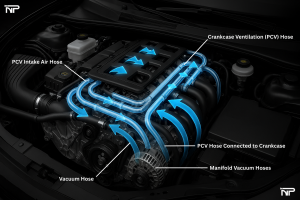
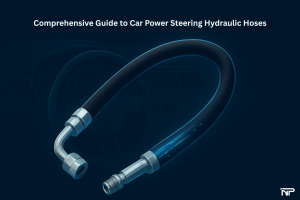
Replacing truck hoses is a crucial aspect of vehicle maintenance that is often overlooked. Many car owners’ manuals fail to mention important hoses, such as the radiator water hose or those within the engine cooling system, unless they are directly heated by the engine. Other hoses, like the steering hydraulic hose or air conditioning hose, are typically checked as part of routine service and maintenance, or when leaks are suspected.
For more detailed information about truck maintenance, including regular hose inspections and replacements, visit our comprehensive truck maintenance guide for expert advice.
How to Identify When You Need to Replace Truck Hoses
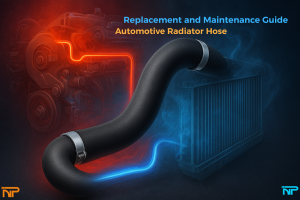
Truck engine cooling system hoses typically last several years under normal operating conditions. However, all components, especially those with a lifespan of more than ten years, carry the risk of failure over time. Hoses can become brittle, crack, or leak after prolonged exposure to hot coolant, and the longer the hose has been in use, the more likely it is to fail. In fact, one of the most common causes of engine overheating is a damaged or leaking hose. If not addressed, a hose failure can cause engine overheating, leading to potential engine damage or, in the worst case, a complete engine failure.
Timing Belts and Truck Hoses: What You Need to Know
In some truck engines, the timing belt is responsible for driving the water pump. Many repair shops recommend replacing both the timing belt and the water pump at the same time. While this might seem like an unnecessary expense, it is actually a sensible strategy. If the water pump fails a few months after the timing belt replacement, the mechanic will need to disassemble parts of the engine again, check the cooling system, and replace components, which will incur significant additional labor costs.
It is always better to replace truck hoses and timing belts as recommended by the manufacturer, rather than waiting until they show signs of failure. By adhering to a preventive maintenance schedule, you can avoid the inconvenience and additional costs of an unexpected breakdown.
When to Replace Truck Hoses
Replacing truck hoses depends on several factors, including the age of the vehicle, the frequency of use, and the type of driving conditions the truck is exposed to. Some hoses may need to be replaced more frequently if the vehicle is driven in harsh conditions, such as extreme heat, cold, or heavy traffic. Other factors to consider include coolant leaks, visible signs of wear like cracks or bulges, or noticeable changes in engine temperature.
Don’t Confuse Timing Belts with Truck Hoses
It’s important not to confuse the timing belt with the other hoses in your vehicle. The timing belt connects the crankshaft to the valve shaft, which controls the opening and closing of the engine’s valves. Timing belts are usually located behind the engine frame, making them difficult to access and replace. As a result, replacing a timing belt is typically more expensive than replacing other hoses or belts in your vehicle. Some trucks use a timing chain instead of a belt, which tends to have a longer lifespan. However, even timing chains can eventually wear out and require replacement.
How to Prevent Breakdown: Best Practices for Hose Maintenance
Regular maintenance of truck hoses can prevent costly repairs and keep your vehicle running smoothly. Here are a few best practices for maintaining truck hoses:
-
Inspect hoses regularly: Periodically check hoses for cracks, leaks, or signs of wear.
-
Replace hoses on schedule: Follow the manufacturer’s recommendations for when to replace hoses.
-
Use quality replacement parts: Opt for high-quality hoses designed for your specific truck model.
Conclusion: Why It’s Crucial to Replace Truck Hoses on Time
Regular maintenance and timely replacement of truck hoses are essential to ensure your truck runs smoothly and reliably. Ignoring the condition of your truck hoses could lead to unexpected overheating, engine failure, and costly repairs. By adhering to a proactive maintenance schedule and replacing truck hoses on time, you can avoid these potential issues and keep your truck in top condition for years to come.